Why is My Yard Soggy?
January 13, 2025
And is there anything that I can do?
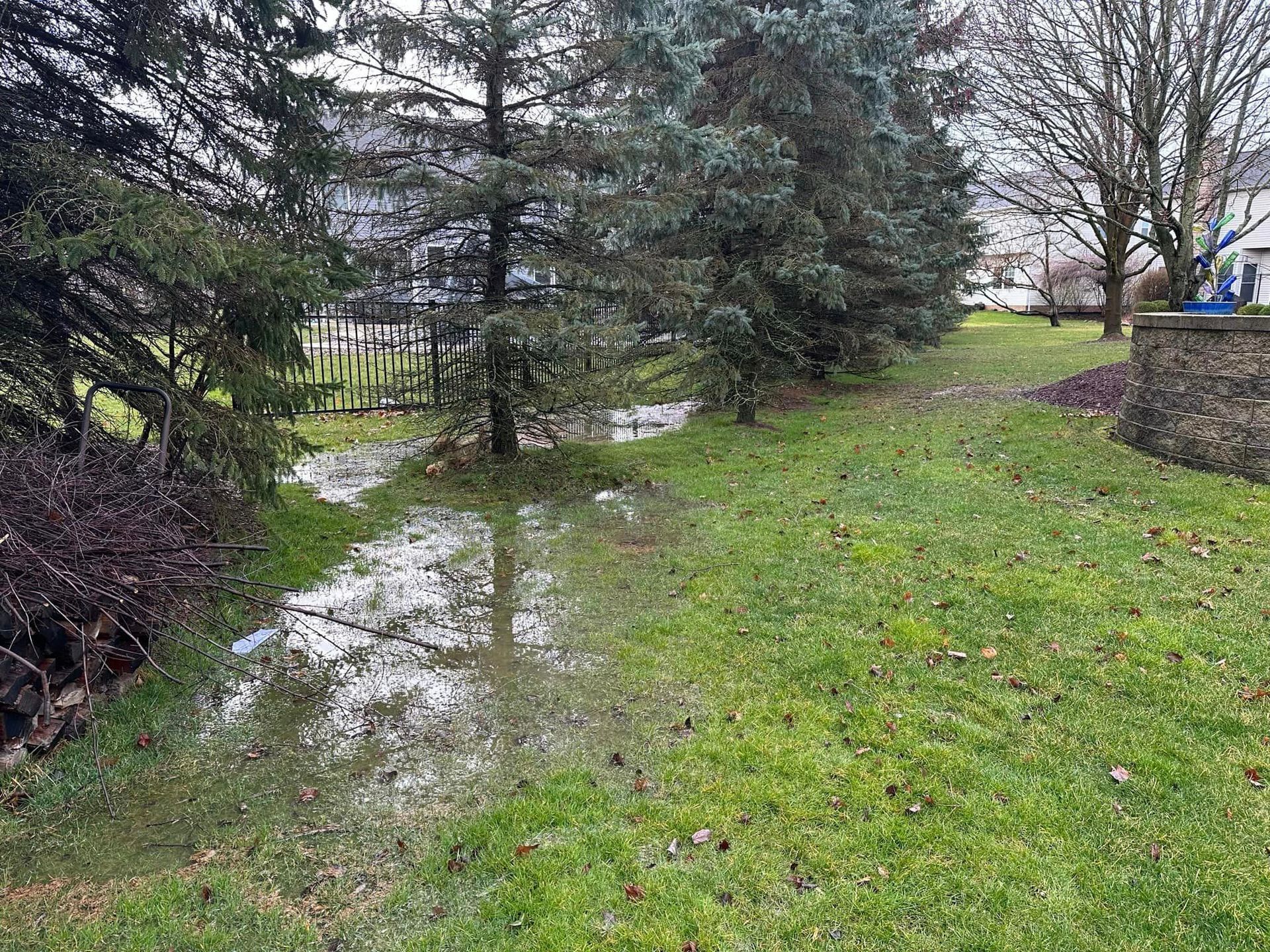
As a homeowner in Northeast Ohio, you may have experienced the frustration of dealing with a soggy yard or unsightly puddles after a rainstorm. It’s more than just an inconvenience—it can affect your lawn's health and lead to bigger issues if left unaddressed. In this blog post, we will explore the reasons behind this persistent problem and discuss effective solutions to help you reclaim your yard.
Why Is My Yard Soggy?
There are several factors that contribute to soggy soil and puddles in your yard:
- Soil Composition: The type of soil in your yard greatly influences its drainage capability. Clay soils, for instance, tend to retain water due to their compact structure, which makes it difficult for water to percolate through.
- Topography: The landscape of your yard matters too. If your property is located in a low-lying area or has an uneven terrain, water can naturally accumulate, leading to puddles.
- Rainfall Intensity: Northeast Ohio is known for its variable weather, and heavy rainfall can overwhelm drainage systems, leading to temporary standing water.
- Landscaping Features: Trees, shrubs, and other landscaping elements can block water flow, preventing proper drainage and leading to soggy conditions.
- Improper Grading: If your yard isn’t graded correctly, it can create areas where water collects rather than drains away.
Solutions to Soggy Yards
Now that we understand the reasons behind the sogginess, let’s look at some effective solutions to mitigate this issue:
- French Drains: Installing a French drain can significantly improve drainage in your yard. This involves creating a trench filled with gravel and a perforated pipe that directs water away from the problem areas, allowing for better water management.
- Surface Drains: For more immediate water removal, surface drains can be installed at low points to collect excess water. These drains help channel the water away from your yard, preventing collection and promoting a drier environment
- Proper Grading: If water is pooling due to improper grading, regrading your yard can provide a long-term fix. Ensuring that your yard slopes away from your home and other structures will encourage water to flow naturally to designated drainage areas.
- Soil Aeration: Aerating your soil can improve its ability to drain. This process involves perforating the soil with holes to allow air, water, and nutrients to penetrate more deeply, which can help alleviate compaction issues.
- Establishing Rain Gardens: Consider creating a rain garden with native plants that thrive in wet conditions. This not only beautifies your yard but also helps absorb excess rainwater.
Dealing with a soggy yard can be discouraging, but understanding the underlying causes is the first step toward finding a solution. By implementing strategies such as French drains, surface drains, and proper grading, you can enhance your yard's drainage and create a more enjoyable outdoor space. If you’re considering these solutions and need expert assistance, do not hesitate to reach out to Drain My Yard —your yard deserves it!
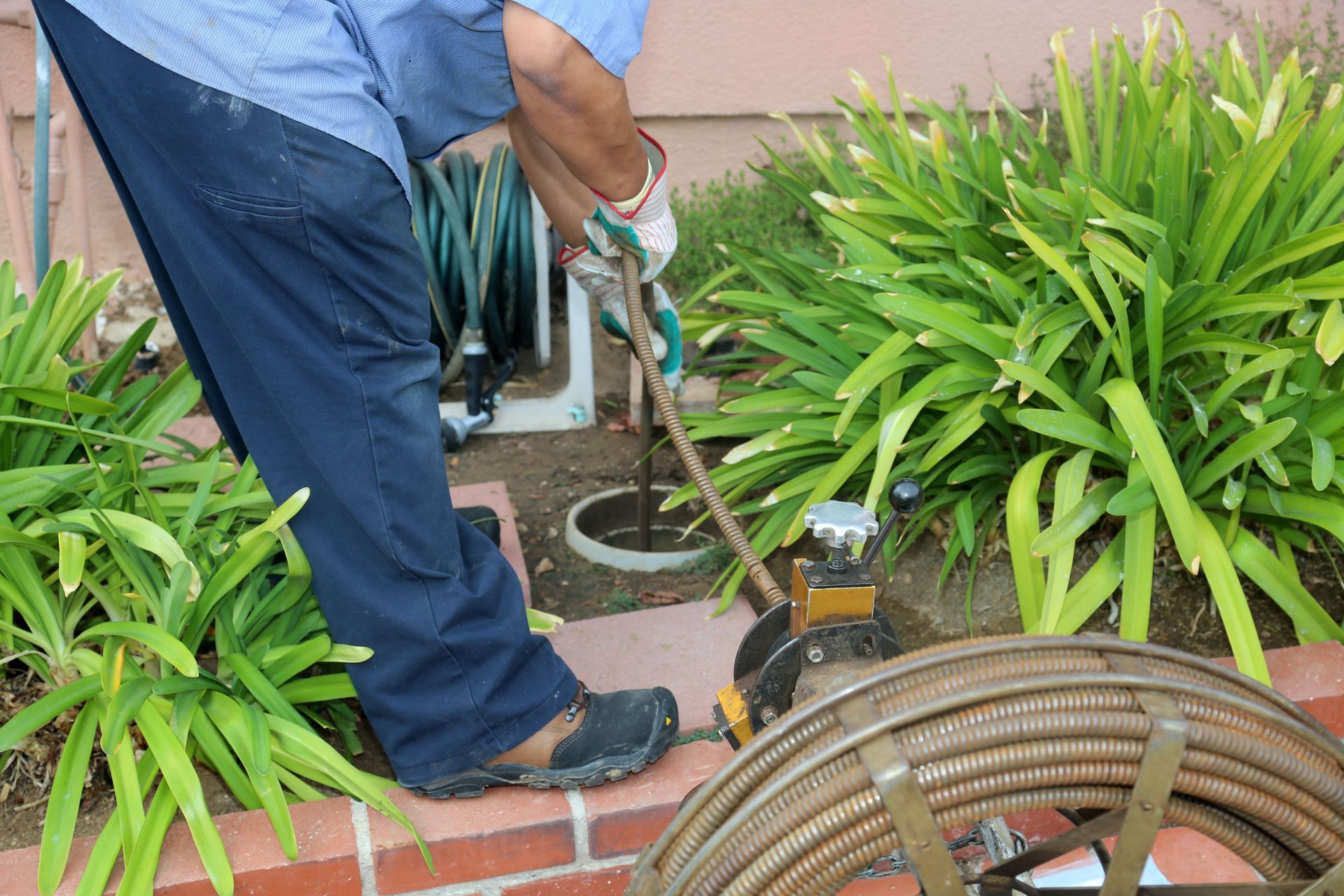
Working with a drain installation company doesn't have to be confusing. Ask some of these basics questions and get the information you need.
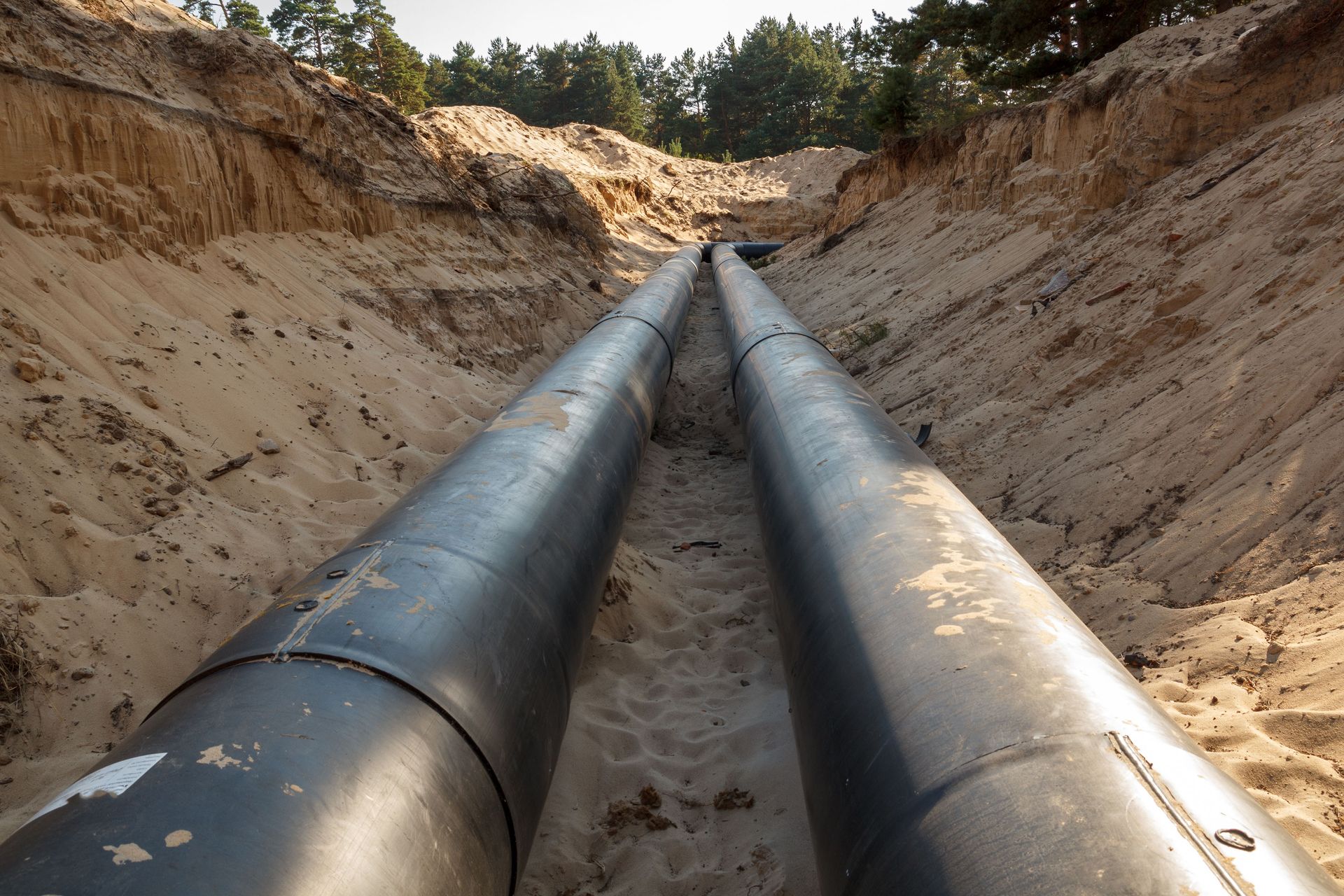
Protect your property from standing water and flooding. Learn how professional drain installation uses precise slope mapping, PVC piping, and French drains.

French drain installation timelines vary by size, slope, and materials. Learn what affects project duration and how to plan efficiently.
Share On: