Understanding the Difference Between a Plumbing Company and a Yard Drainage Company
January 17, 2025
Both Are Vital To Maintaining Your Home
When it comes to maintaining a home, understanding the roles of various professionals can make a big difference. Two services you might find yourself needing are plumbing and/or yard drainage professionals. While they both serve crucial functions, they operate in distinct areas of expertise.
Plumbers: The Complex Problem Solvers
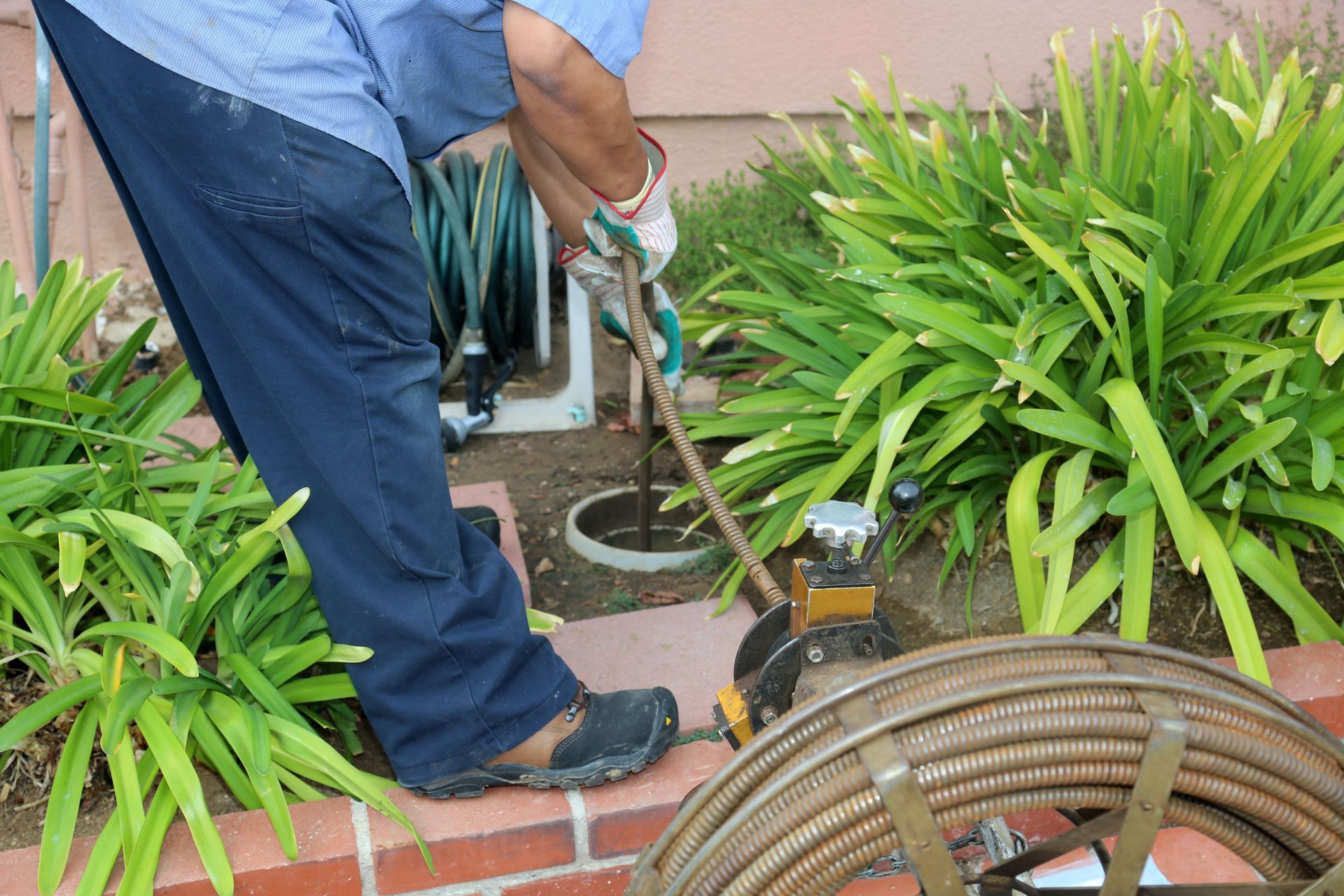
Plumbers are the go-to experts for all things related to indoor plumbing. They handle everything from leaky faucets and clogged drains to installing new water or drainage systems. Their specialty lies in tackling complex plumbing issues that require a deep knowledge of water systems, appliances, and local plumbing codes.
Yard Drainage Companies: The Outdoor Specialists
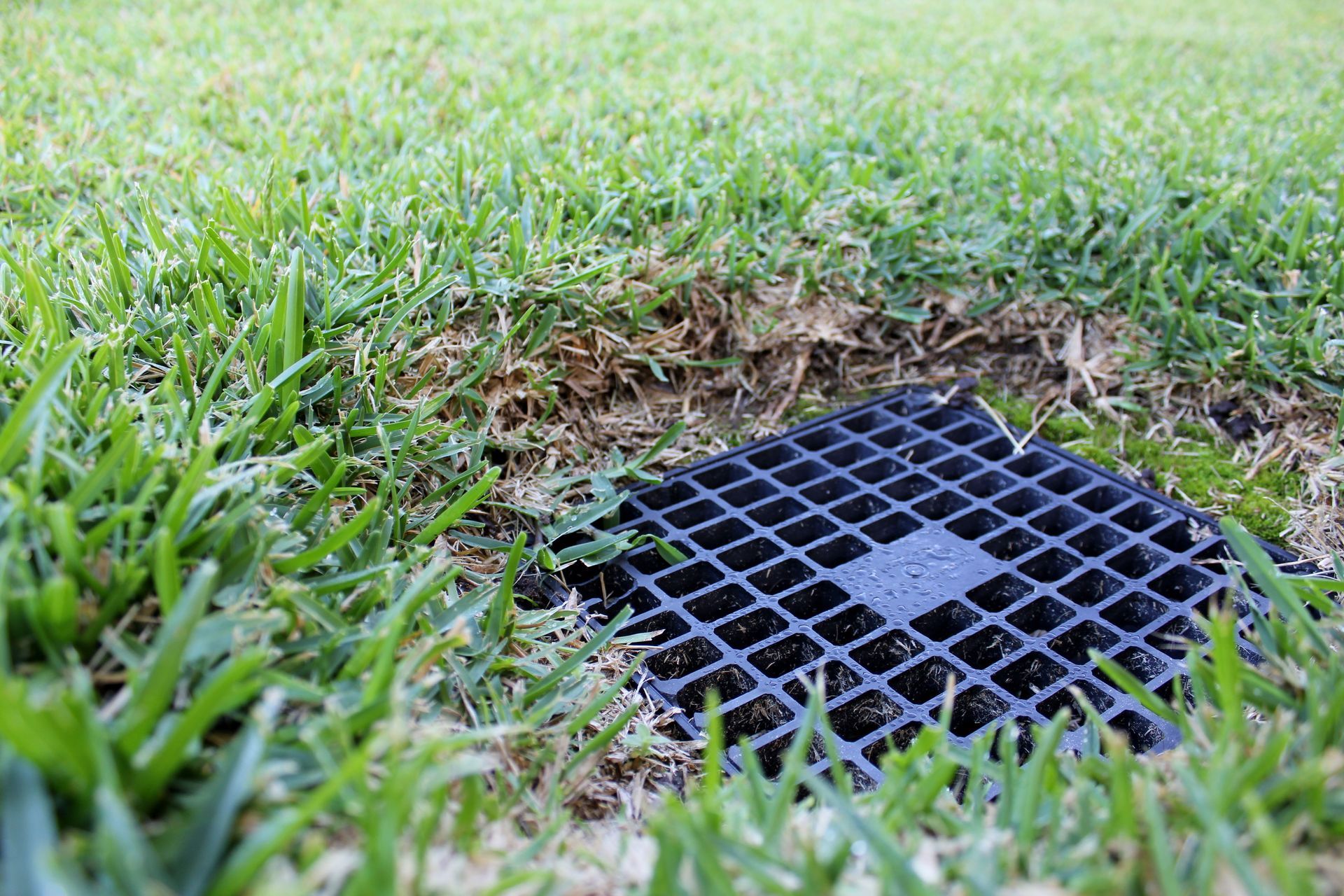
On the other hand, if you're facing drainage issues in your yard, a yard drainage company is your best bet. These professionals focus on outdoor drainage solutions, such as downspouts, French drains, and yard surface drains. Their work ensures that water moves away from your home/foundation, preventing flooding and water damage. Not only do they handle the installation of these systems, but they also repair any damaged landscaping (lawn, foundation beds, etc.) in the process. Additionally, they take the aesthetic qualities of the solution into consideration to ensure that the “fix” doesn’t detract from your yard and landscaping.
In summary, when deciding between a plumber and a yard drainage company, consider your specific needs. If your issue is inside your home or requires connecting to main city lines, reach out to a plumber. However, if you're dealing with external drainage problems, a yard drainage specialist will have the tools and experience you need to keep your yard and landscaping dry and healthy.
Understanding the difference between these two types of professionals can save you time and lead to better results. Whether you're dealing with plumbing issues or yard drainage dilemmas, knowing who to call can make all the difference in maintaining your home.
If you have any questions or need recommendations, feel free to connect with the team at Drain My Yard and we’ll guide you in the right direction.

Why Does My Yard Have a Swale If your yard turns into a soggy mess after every rain, you’re not alone. Many Northeast Ohio homeowners face the same problem: poor drainage. Whether it’s puddles that linger for days or water pooling near your foundation, excess runoff can cause damage and frustration. Oftentimes builders, when developing new neighborhoods, utilize swales as a simple and natural fix to drainage challenges. Swales are oftentimes placed between homes or along rear property lines. In some instances, builders will empty downspout drains, sump pump drains, and other yard drainage pipes into swales. What Is a Swale in Landscaping? A swale is a shallow, gently sloped channel designed to collect, slow, and direct rainwater runoff. It’s often shaped like a grassy dip or shallow trench that follows the natural contours of your yard. But unlike a ditch, a swale does more than move water away — it helps it soak into the ground slowly. This process reduces flooding, prevents erosion, and allows the soil to naturally filter pollutants. Most residential swales are lined with grass, gravel, or native plants that hold soil in place and blend beautifully into your landscaping. How a Swale Works in Your Yard Here’s how a swale drainage system helps manage water in your yard: Collects runoff – The swale is positioned where water naturally flows, such as between homes or at the base of a slope. Slows the flow – Its gentle slope and vegetation reduce the speed of moving water, preventing erosion. Filters and absorbs – As water flows through the swale, it seeps into the ground, recharging groundwater and filtering out pollutants. Directs overflow safely – During heavy rains, excess water moves through the swale toward a safe outlet, like a rain garden, dry well, or storm drain. Essentially, a swale turns excess rainwater from a problem into an opportunity — restoring balance to your yard’s natural drainage. My Swale is Always Soggy. Is There Anything That I Can Do to Improve It? Yes, there are solutions that homeowners in Northeast Ohio can utilize to improve this natural drainage system. Due to the clay soil that we experience, water does not soak back into the earth quickly after rain events. This makes swales difficult to mow/maintain during rainy seasons as well as potentially creating muddy areas that kids and our furry friends will definitely find with their shoes and paws. To assist the work of swales during larger rain events, we may recommend installing a French drain and/or dry wells under the lowest point of the swale to store excess water during rain events. Additionally, this system may be connected to an existing catch basin or storm drain for moving more water during rain events. We call this supercharging your swale! Why Swales Are a Smart Yard Drainage Solution Swales are a perfect balance of function and beauty. They protect your home from water damage, add visual interest to your landscape, and support a healthier environment…but they can still be improved. Reach out to the team at Drain My Yard for your complimentary drainage assessment to determine if upgrades to your swale would improve your overall yard drainage.


Share On: