Introducing our Healthy Drain Program
February 7, 2025
Why You Should Get Your Exterior Drains Checked with a Camera Scope.
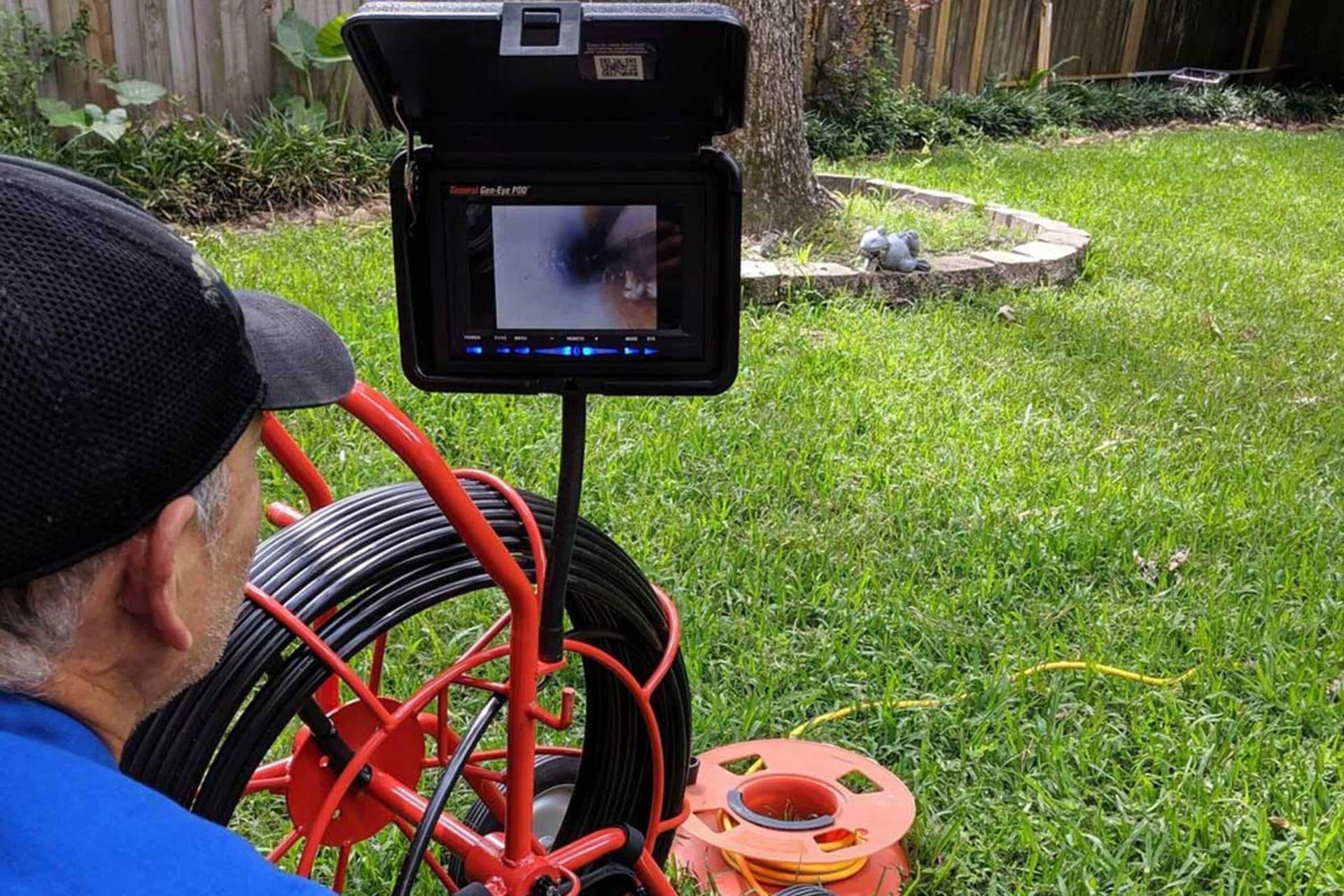
Today, let's dive into a topic that often goes overlooked but can save you a ton of headaches down the road: checking your exterior drains (i.e., downspouts, surface drains, sump pump drain, etc.) with a camera scope. You might be wondering, “What’s the big deal?” Well, let us break it down for you.
First off, the main benefit of this service is that it provides you with video proof of how your drainage system is functioning (or not functioning!) You get to see exactly what’s going on down there, and trust me, it’s worth it! You’ll not only find out whether your drains are draining correctly, but you’ll also learn where those drains go and how they’re connected to one another. This is invaluable information that most property owners don’t have, and it can really come in handy when issues arise. At Drain My Yard, we call this our Healthy Drain Program.
If snow melt or rain leads to a puddle forming in your yard or around your homes foundation, the last thing you want is to be left in the dark about what’s causing the problem. By having your drains inspected, you can take proactive measures before things get out of hand. That camera scope can spot potential issues before they escalate—like a broken pipe or a serious clog—allowing you to address them quickly and effectively. On the other hand, the camera scan might give your drainage pipes a clean bill of health! One less thing to worry about!
When you have this service done through the team at Drain My Yard, you’re given a map of where all your drain pipes are located on your property, which are interconnected, and where they drain to. This is a game changer if you ever need to do yard work or before digging for any reason. Knowing where your pipes are can save you from accidentally damaging them, which could result in costly repairs.
In the unfortunate event that you do have a broken pipe or a stubborn clog, you now have precise information at your fingertips. You’ll know exactly where the issue is, which allows you to determine the best course of action for repairs. Whether you handle the fix yourself, or you call in Drain My Yard, having that knowledge makes all the difference.
So, if you haven’t had your exterior drains inspected with a camera scope yet, now’s the time to consider it! You’ll equip yourself with the peace of mind that comes from knowing your drainage system is functioning correctly—and if not, you’ll know exactly what needs to be done.
If you'd like to schedule a drain inspection or if you have any questions, feel free to reach out to Drain My Yard at 330.662.5381. Let’s ensure your drainage system is ready to handle whatever Mother Nature throws at it! Remember, a little preventive maintenance goes a long way in protecting your home. Happy draining!

Water pooling around your foundation is one of the most serious—and common—drainage problems suburban homeowners face. Left unaddressed, it can lead to basement leaks, foundation cracks, mold growth, and costly structural repairs. While permanent drainage solutions should always be designed and installed by a professional, there are several temporary steps homeowners can take to keep water away from the foundation and reduce immediate risk. Below are five practical, short term fixes you can implement now, along with guidance on when it’s time to call Drain My Yard, Northeast Ohio’s yard drainage specialists. 1. Extend Downspouts at Least 10 Feet Away from the Foundation One of the biggest contributors to foundation water problems is roof runoff being discharged too close to the house. Temporary fix: • Install solid downspout extensions (avoid corrugated pipe) • Extend each downspout a minimum of 10 feet away from the foundation • Ensure the outlet discharges downhill and away from the home Why it matters: Roof water can account for thousands of gallons during a single storm. Moving it away from the foundation immediately reduces hydrostatic pressure and basement moisture issues. Limitations: Above ground extensions are not a permanent solution and can shift, clog, or create tripping hazards. It also usually makes mowing the lawn difficult! 2. Move Your Sump Pump Discharge Away from the House A sump pump that discharges right next to the foundation often causes the very problem it’s meant to solve. Temporary fix: • Attach a solid discharge pipe or hose. Sump pump discharge pipes are typically 1.5” in diameter. • Extend the discharge 10–20 feet away from the foundation • Direct water toward a lower area of the yard Why it matters: If sump water drains back toward the house, it increases foundation saturation and causes the pump to run excessively. Important: Temporary sump lines can freeze or clog. A buried discharge line installed by a professional is the safest long term option. Also, make sure not to direct this water toward a neighbors property. 3. Identify and Redirect Water Flowing Toward the Foundation Water pooling near foundations is often caused by surface water flowing toward the house instead of away from it. Temporary fix: • Walk the property during or after heavy rain • Identify areas where water flows toward the foundation • Build a shallow soil berm or temporary swale to redirect flow away from the house Why it matters: Even small grading issues can funnel large volumes of water directly to foundation walls. Caution: Avoid redirecting water onto neighboring properties, which can create legal or code issues. 4. Clear Gutters, Downspouts, and Any Existing Drainage Components Clogged gutters and downspouts can overflow and dump water directly against the foundation. Temporary fix: • Clean all gutters and downspouts • Flush downspouts to confirm proper flow • Clear debris from catch basins, channel drains, or pop up emitters near the house Why it matters: Restoring proper flow prevents overflow and localized pooling next to foundation walls. Red flag: If water backs up after cleaning, underground piping may be collapsed, completely clogged, or improperly installed. 5. Avoid “Quick Fixes” That Trap Water Near the Foundation Some DIY fixes can actually make foundation water problems worse. Avoid : • Dumping soil, mulch, or gravel against the foundation • Filling low spots without creating an outlet • Installing corrugated pipe underground These approaches often trap water and increase foundation moisture over time. When Temporary Fixes Aren’t Enough If water continues to pool near your foundation after storms—or if you’re seeing basement leaks, damp walls, or soil erosion—it’s time for a permanent drainage solution. Drain My Yard specializes in foundation focused drainage solutions for suburban homes throughout Northeast Ohio. We design and install systems that safely move roof, sump, and surface water away from your foundation—without creating problems elsewhere. Why Homeowners Trust Drain My Yard • Local expertise in Northeast Ohio soils and rainfall • Custom drainage designs tailored to each property • Long term solutions that protect foundations and home value For a permanent fix, visit www.soggyyard.com and schedule a consultation with Drain My Yard today. Temporary steps can reduce immediate risk—but a professionally designed drainage system is the only way to permanently protect your foundation.
If your yard turns into a swamp every time it rains, water runs toward your foundation, or your downspouts dump water where it doesn’t belong, you’re not alone. Many suburban homeowners throughout Northeast Ohio struggle with stormwater issues — especially in communities like Hudson, Stow, Cuyahoga Falls, Twinsburg, and Aurora. That’s where rainscaping comes in. At Drain My Yard, we specialize in professional rainscaping solutions that control stormwater, protect your home, and permanently solve soggy yard problems. What Is Rainscaping? Rainscaping is the strategic design of your landscape to manage rainwater on your property, instead of allowing it to pool, erode soil, or discharge onto neighboring properties. Rather than fighting water, rainscaping controls how it flows by: • Capturing rainwater • Slowing it down • Directing it to safe discharge points • Allowing it to soak into the ground naturally Unlike basic landscaping, rainscaping starts with drainage engineering first, then integrates attractive landscape features. Common Rainscaping Solutions Installed by Drain My Yard Every yard is different, which is why Drain My Yard designs custom rainscaping systems based on grading, soil type, and water volume. Solutions may include: • Underground downspout drainage • Rain gardens designed for proper infiltration • Graded swales and drainage pathways • Catch basins and yard drains • Dry creek beds for surface water control • Permeable hardscape areas • Sump pump discharge management Our goal is simple: move water where it should go — safely and legally. Why Rainscaping Is So Important in Northeast Ohio Suburban neighborhoods in Summit County often face: • Heavy clay soils that drain poorly • Older drainage infrastructure • Flat or improperly graded lots • Increased rainfall and runoff Without proper stormwater management, these conditions lead to: • Standing water and muddy yards • Basement leaks and foundation damage • Soil erosion • Ice hazards in winter • Water disputes with neighbors Rainscaping addresses these problems at the source. Benefits of Rainscaping for Homeowners Eliminate Standing Water Rainscaping systems installed by Drain My Yard are designed to dry out yards faster and prevent chronic puddling. Protect Your Foundation and Basement Water that pools near your home can lead to costly foundation and basement issues. Rainscaping moves water away before damage occurs. Prevent Erosion and Landscape Damage By controlling water flow, rainscaping stops soil washout, mulch loss, and damage to walkways and patios. Improve Curb Appeal Drainage solutions don’t have to be ugly. Our rainscaping designs blend seamlessly into your landscape while solving serious water problems. Reduce Liability and Code Issues Improper stormwater discharge can damage neighboring properties or sidewalks. Rainscaping keeps water managed on your property, where it belongs. Environmentally Responsible Rainscaping reduces strain on municipal storm systems and supports groundwater recharge — a win for homeowners and the community. When Rainscaping Makes the Most Sense Rainscaping may be the right solution if: • Your yard stays wet days after rainfall • Water flows toward your house • Downspouts dump water near the foundation • Your sump pump discharge causes pooling • You have erosion or washed-out areas • You live in a low-lying or poorly draining lot These are exactly the issues Drain My Yard solves every day throughout Hudson, Stow, Cuyahoga Falls, Twinsburg, and Aurora. Why Choose Drain My Yard for Rainscaping? Rainscaping is only effective when it’s designed correctly. Improper grading or undersized drainage can make water problems worse. Drain My Yard is the leader in yard drainage and stormwater management in Northeast Ohio. Homeowners choose us because we: • Specialize exclusively in drainage solutions • Design systems based on real water movement — not guesswork • Understand Northeast Ohio soil and rainfall conditions • Provide permanent, professional solutions • Protect your home, yard, and property value We don’t sell landscaping — we solve water problems. Schedule a Professional Rainscaping Evaluation If you’re tired of soggy grass, standing water, or drainage issues that never seem to go away, it’s time to bring in the experts. Drain My Yard provides professional rainscaping and yard drainage solutions throughout Northeast Ohio. Visit us HERE to schedule your consultation.

If you own a home in Northeast Ohio, managing stormwater on your property isn’t optional—it’s essential. Heavy rain, clay soils, snowmelt, and aging drainage systems make yard drainage problems especially common in communities like Hudson, Stow, Cuyahoga Falls, Twinsburg, and Aurora. One of the biggest mistakes homeowners make is allowing stormwater to discharge onto a neighboring property. While it may seem harmless, improper drainage can cause serious damage, legal issues, and long-term problems for everyone involved. Stormwater From Your Property Is Your Responsibility Rainwater that lands on your roof, driveway, and yard has to go somewhere. Downspouts, sump pumps, and surface grading all control where that water flows. When stormwater is discharged toward a neighboring yard, it can lead to: • Standing water and soggy lawns • Washed-out landscaping • Basement leaks or flooding • Foundation damage • Erosion along property lines In Northeast Ohio’s climate, even minor drainage issues quickly turn into major problems. Discharging Water onto a Neighbor’s Property Can Create Legal Risk Many homeowners are surprised to learn that you can be held liable if your drainage system causes damage next door. Local ordinances and Ohio property laws generally require homeowners to manage stormwater, so it does not negatively impact adjacent properties. If redirected water leads to flooding, erosion, or structural damage, you may be responsible for repairs or face legal action. Addressing drainage issues before they become disputes is always less expensive—and far less stressful. Poor Drainage Is One of the Top Causes of Neighbor Disputes Few things damage neighbor relationships faster than water problems. Flooded yards, wet basements, and muddy property lines often lead to complaints and conflict. Proper stormwater management helps you: • Avoid disputes and complaints • Protect property values • Maintain good relationships with neighbors • Prevent ongoing drainage battles after every heavy rain We see these issues arise often when a home has gone through a sale. The remaining neighbor has let the issue go with the selling homeowner but wants it fixed when the new homeowner moves in. Good drainage is part of being a good neighbor. Improper Drainage Can Damage Your Home Too Water that’s pushed away incorrectly often finds a way back. Poor stormwater discharge can cause: • Foundation settlement or cracking • Basement moisture and mold • Driveway and patio deterioration • Long-term structural damage When stormwater is managed correctly on your own property, it protects your home just as much as it protects your neighbors. Responsible Stormwater Management Solutions Every property is different, but effective yard drainage solutions often include: • Burying downspouts and directing water underground • Properly routing sump pump discharge • Installing catch basins or yard drains • Correcting grading issues • Preventing surface water from flowing across property lines The key is designing a system that works with your property, soil conditions, and local rainfall patterns. Why Homeowners in Summit County Trust Drain My Yard At Drain My Yard, we specialize exclusively in yard drainage and stormwater management. We understand the unique challenges homeowners face in Summit County and Northeast Ohio, and we design solutions that actually work—long term. Homeowners choose Drain My Yard because: • We focus only on drainage (not landscaping or general contracting) • We understand Ohio soil, weather, and runoff patterns • We design custom solutions—not one-size-fits-all fixes • We help homeowners stay compliant and avoid neighbor disputes From Hudson and Stow to Cuyahoga Falls, Twinsburg, and Aurora, Drain My Yard is the trusted name in keeping water where it belongs—on your property and under control. Schedule a Professional Drainage Evaluation Today If water from your home is discharging toward a neighboring property—or if you’re unsure where it’s going—now is the time to address it. Contact Drain My Yard today to schedule a professional yard drainage evaluation. We’ll identify problem areas, explain your options clearly, and design a solution that protects your home, your neighbors, and your investment. Visit: Drain My Yard — The Leader in Yard Drainage in Summit County, Ohio

Share On: