Ask about our healthy drain program!
Blog
Drain My Yard
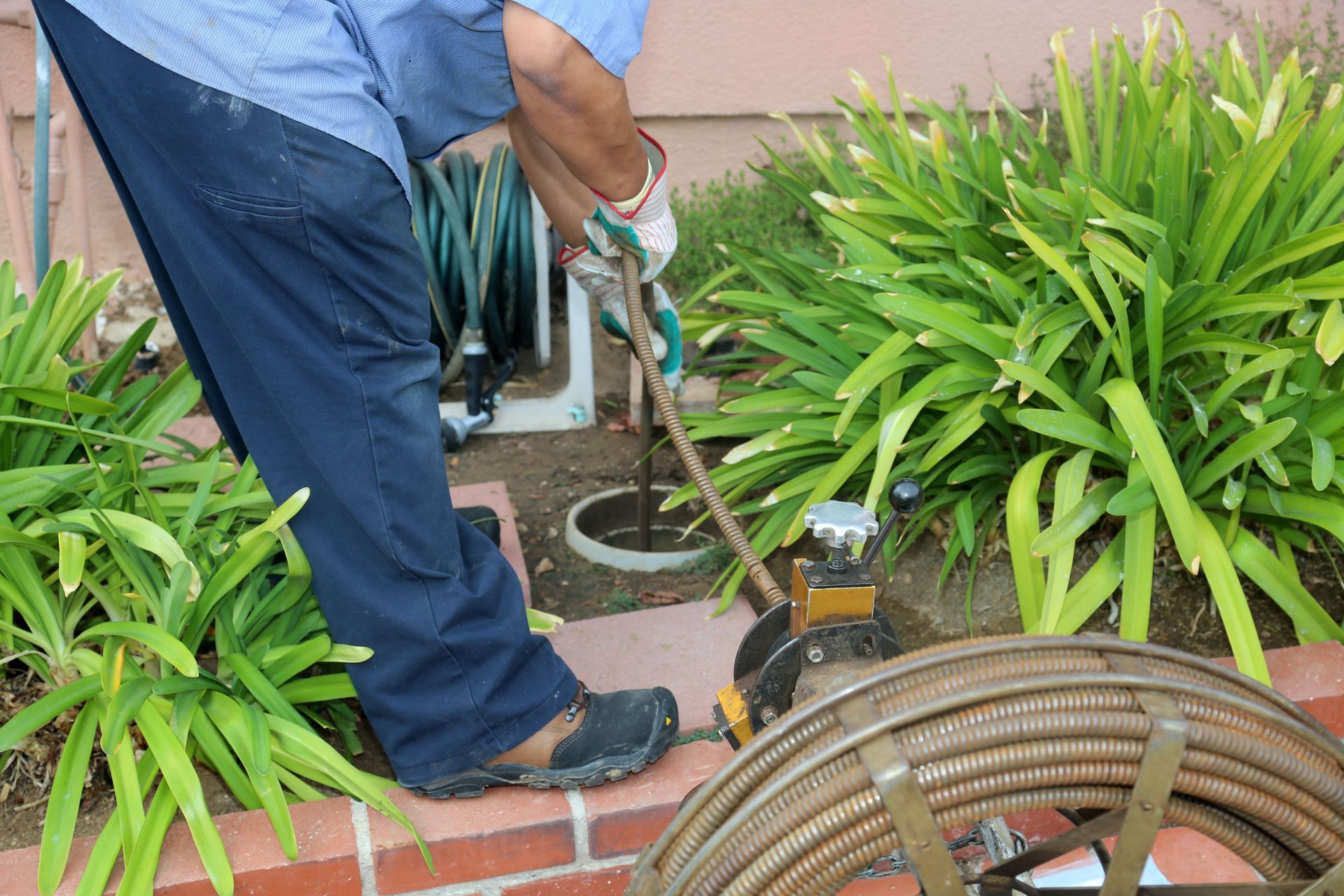
Working with a drain installation company doesn't have to be confusing. Ask some of these basics questions and get the information you need.
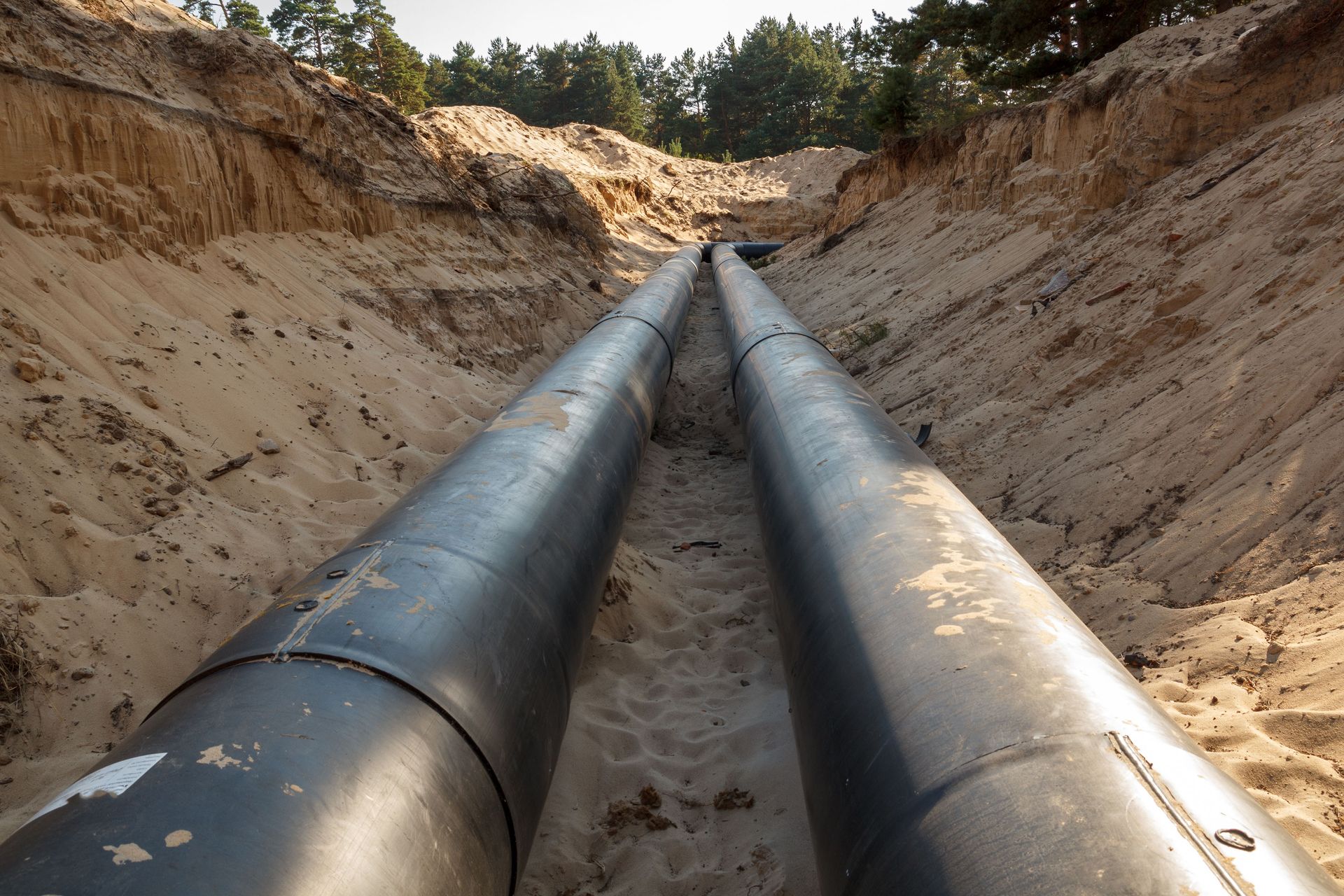
Protect your property from standing water and flooding. Learn how professional drain installation uses precise slope mapping, PVC piping, and French drains.

French drain installation timelines vary by size, slope, and materials. Learn what affects project duration and how to plan efficiently.
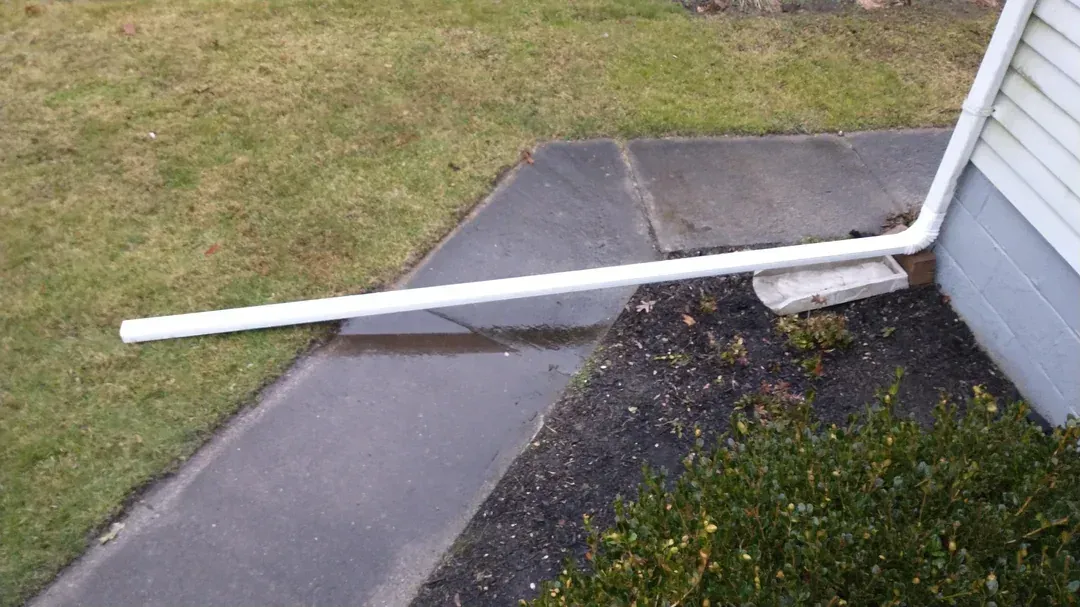
Water pooling around your foundation is one of the most serious—and common—drainage problems suburban homeowners face. Left unaddressed, it can lead to basement leaks, foundation cracks, mold growth, and costly structural repairs. While permanent drainage solutions should always be designed and installed by a professional, there are several temporary steps homeowners can take to keep water away from the foundation and reduce immediate risk. Below are five practical, short term fixes you can implement now, along with guidance on when it’s time to call Drain My Yard, Northeast Ohio’s yard drainage specialists. 1. Extend Downspouts at Least 10 Feet Away from the Foundation One of the biggest contributors to foundation water problems is roof runoff being discharged too close to the house. Temporary fix: • Install solid downspout extensions (avoid corrugated pipe) • Extend each downspout a minimum of 10 feet away from the foundation • Ensure the outlet discharges downhill and away from the home Why it matters: Roof water can account for thousands of gallons during a single storm. Moving it away from the foundation immediately reduces hydrostatic pressure and basement moisture issues. Limitations: Above ground extensions are not a permanent solution and can shift, clog, or create tripping hazards. It also usually makes mowing the lawn difficult! 2. Move Your Sump Pump Discharge Away from the House A sump pump that discharges right next to the foundation often causes the very problem it’s meant to solve. Temporary fix: • Attach a solid discharge pipe or hose. Sump pump discharge pipes are typically 1.5” in diameter. • Extend the discharge 10–20 feet away from the foundation • Direct water toward a lower area of the yard Why it matters: If sump water drains back toward the house, it increases foundation saturation and causes the pump to run excessively. Important: Temporary sump lines can freeze or clog. A buried discharge line installed by a professional is the safest long term option. Also, make sure not to direct this water toward a neighbors property. 3. Identify and Redirect Water Flowing Toward the Foundation Water pooling near foundations is often caused by surface water flowing toward the house instead of away from it. Temporary fix: • Walk the property during or after heavy rain • Identify areas where water flows toward the foundation • Build a shallow soil berm or temporary swale to redirect flow away from the house Why it matters: Even small grading issues can funnel large volumes of water directly to foundation walls. Caution: Avoid redirecting water onto neighboring properties, which can create legal or code issues. 4. Clear Gutters, Downspouts, and Any Existing Drainage Components Clogged gutters and downspouts can overflow and dump water directly against the foundation. Temporary fix: • Clean all gutters and downspouts • Flush downspouts to confirm proper flow • Clear debris from catch basins, channel drains, or pop up emitters near the house Why it matters: Restoring proper flow prevents overflow and localized pooling next to foundation walls. Red flag: If water backs up after cleaning, underground piping may be collapsed, completely clogged, or improperly installed. 5. Avoid “Quick Fixes” That Trap Water Near the Foundation Some DIY fixes can actually make foundation water problems worse. Avoid : • Dumping soil, mulch, or gravel against the foundation • Filling low spots without creating an outlet • Installing corrugated pipe underground These approaches often trap water and increase foundation moisture over time. When Temporary Fixes Aren’t Enough If water continues to pool near your foundation after storms—or if you’re seeing basement leaks, damp walls, or soil erosion—it’s time for a permanent drainage solution. Drain My Yard specializes in foundation focused drainage solutions for suburban homes throughout Northeast Ohio. We design and install systems that safely move roof, sump, and surface water away from your foundation—without creating problems elsewhere. Why Homeowners Trust Drain My Yard • Local expertise in Northeast Ohio soils and rainfall • Custom drainage designs tailored to each property • Long term solutions that protect foundations and home value For a permanent fix, visit www.soggyyard.com and schedule a consultation with Drain My Yard today. Temporary steps can reduce immediate risk—but a professionally designed drainage system is the only way to permanently protect your foundation.
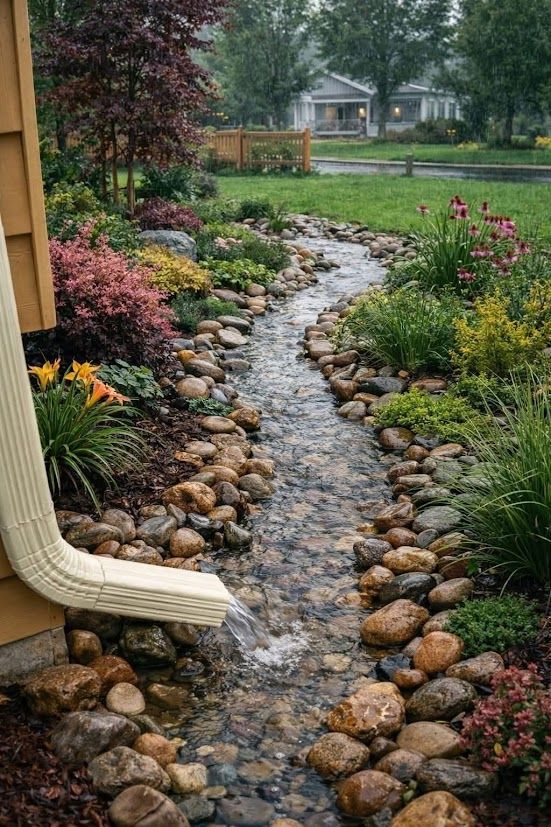
If your yard turns into a swamp every time it rains, water runs toward your foundation, or your downspouts dump water where it doesn’t belong, you’re not alone. Many suburban homeowners throughout Northeast Ohio struggle with stormwater issues — especially in communities like Hudson, Stow, Cuyahoga Falls, Twinsburg, and Aurora. That’s where rainscaping comes in. At Drain My Yard, we specialize in professional rainscaping solutions that control stormwater, protect your home, and permanently solve soggy yard problems. What Is Rainscaping? Rainscaping is the strategic design of your landscape to manage rainwater on your property, instead of allowing it to pool, erode soil, or discharge onto neighboring properties. Rather than fighting water, rainscaping controls how it flows by: • Capturing rainwater • Slowing it down • Directing it to safe discharge points • Allowing it to soak into the ground naturally Unlike basic landscaping, rainscaping starts with drainage engineering first, then integrates attractive landscape features. Common Rainscaping Solutions Installed by Drain My Yard Every yard is different, which is why Drain My Yard designs custom rainscaping systems based on grading, soil type, and water volume. Solutions may include: • Underground downspout drainage • Rain gardens designed for proper infiltration • Graded swales and drainage pathways • Catch basins and yard drains • Dry creek beds for surface water control • Permeable hardscape areas • Sump pump discharge management Our goal is simple: move water where it should go — safely and legally. Why Rainscaping Is So Important in Northeast Ohio Suburban neighborhoods in Summit County often face: • Heavy clay soils that drain poorly • Older drainage infrastructure • Flat or improperly graded lots • Increased rainfall and runoff Without proper stormwater management, these conditions lead to: • Standing water and muddy yards • Basement leaks and foundation damage • Soil erosion • Ice hazards in winter • Water disputes with neighbors Rainscaping addresses these problems at the source. Benefits of Rainscaping for Homeowners Eliminate Standing Water Rainscaping systems installed by Drain My Yard are designed to dry out yards faster and prevent chronic puddling. Protect Your Foundation and Basement Water that pools near your home can lead to costly foundation and basement issues. Rainscaping moves water away before damage occurs. Prevent Erosion and Landscape Damage By controlling water flow, rainscaping stops soil washout, mulch loss, and damage to walkways and patios. Improve Curb Appeal Drainage solutions don’t have to be ugly. Our rainscaping designs blend seamlessly into your landscape while solving serious water problems. Reduce Liability and Code Issues Improper stormwater discharge can damage neighboring properties or sidewalks. Rainscaping keeps water managed on your property, where it belongs. Environmentally Responsible Rainscaping reduces strain on municipal storm systems and supports groundwater recharge — a win for homeowners and the community. When Rainscaping Makes the Most Sense Rainscaping may be the right solution if: • Your yard stays wet days after rainfall • Water flows toward your house • Downspouts dump water near the foundation • Your sump pump discharge causes pooling • You have erosion or washed-out areas • You live in a low-lying or poorly draining lot These are exactly the issues Drain My Yard solves every day throughout Hudson, Stow, Cuyahoga Falls, Twinsburg, and Aurora. Why Choose Drain My Yard for Rainscaping? Rainscaping is only effective when it’s designed correctly. Improper grading or undersized drainage can make water problems worse. Drain My Yard is the leader in yard drainage and stormwater management in Northeast Ohio. Homeowners choose us because we: • Specialize exclusively in drainage solutions • Design systems based on real water movement — not guesswork • Understand Northeast Ohio soil and rainfall conditions • Provide permanent, professional solutions • Protect your home, yard, and property value We don’t sell landscaping — we solve water problems. Schedule a Professional Rainscaping Evaluation If you’re tired of soggy grass, standing water, or drainage issues that never seem to go away, it’s time to bring in the experts. Drain My Yard provides professional rainscaping and yard drainage solutions throughout Northeast Ohio. Visit us HERE to schedule your consultation.
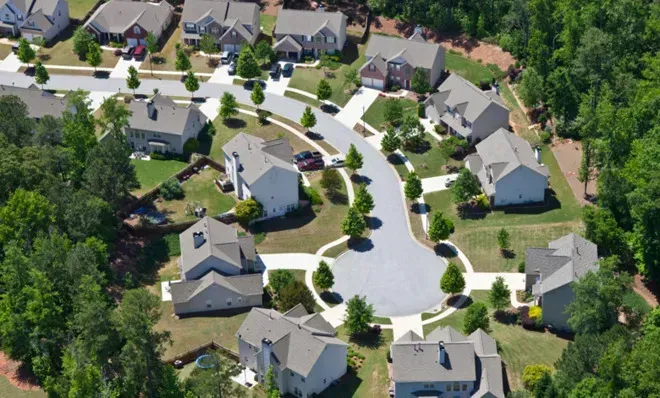
If you own a home in Northeast Ohio, managing stormwater on your property isn’t optional—it’s essential. Heavy rain, clay soils, snowmelt, and aging drainage systems make yard drainage problems especially common in communities like Hudson, Stow, Cuyahoga Falls, Twinsburg, and Aurora. One of the biggest mistakes homeowners make is allowing stormwater to discharge onto a neighboring property. While it may seem harmless, improper drainage can cause serious damage, legal issues, and long-term problems for everyone involved. Stormwater From Your Property Is Your Responsibility Rainwater that lands on your roof, driveway, and yard has to go somewhere. Downspouts, sump pumps, and surface grading all control where that water flows. When stormwater is discharged toward a neighboring yard, it can lead to: • Standing water and soggy lawns • Washed-out landscaping • Basement leaks or flooding • Foundation damage • Erosion along property lines In Northeast Ohio’s climate, even minor drainage issues quickly turn into major problems. Discharging Water onto a Neighbor’s Property Can Create Legal Risk Many homeowners are surprised to learn that you can be held liable if your drainage system causes damage next door. Local ordinances and Ohio property laws generally require homeowners to manage stormwater, so it does not negatively impact adjacent properties. If redirected water leads to flooding, erosion, or structural damage, you may be responsible for repairs or face legal action. Addressing drainage issues before they become disputes is always less expensive—and far less stressful. Poor Drainage Is One of the Top Causes of Neighbor Disputes Few things damage neighbor relationships faster than water problems. Flooded yards, wet basements, and muddy property lines often lead to complaints and conflict. Proper stormwater management helps you: • Avoid disputes and complaints • Protect property values • Maintain good relationships with neighbors • Prevent ongoing drainage battles after every heavy rain We see these issues arise often when a home has gone through a sale. The remaining neighbor has let the issue go with the selling homeowner but wants it fixed when the new homeowner moves in. Good drainage is part of being a good neighbor. Improper Drainage Can Damage Your Home Too Water that’s pushed away incorrectly often finds a way back. Poor stormwater discharge can cause: • Foundation settlement or cracking • Basement moisture and mold • Driveway and patio deterioration • Long-term structural damage When stormwater is managed correctly on your own property, it protects your home just as much as it protects your neighbors. Responsible Stormwater Management Solutions Every property is different, but effective yard drainage solutions often include: • Burying downspouts and directing water underground • Properly routing sump pump discharge • Installing catch basins or yard drains • Correcting grading issues • Preventing surface water from flowing across property lines The key is designing a system that works with your property, soil conditions, and local rainfall patterns. Why Homeowners in Summit County Trust Drain My Yard At Drain My Yard, we specialize exclusively in yard drainage and stormwater management. We understand the unique challenges homeowners face in Summit County and Northeast Ohio, and we design solutions that actually work—long term. Homeowners choose Drain My Yard because: • We focus only on drainage (not landscaping or general contracting) • We understand Ohio soil, weather, and runoff patterns • We design custom solutions—not one-size-fits-all fixes • We help homeowners stay compliant and avoid neighbor disputes From Hudson and Stow to Cuyahoga Falls, Twinsburg, and Aurora, Drain My Yard is the trusted name in keeping water where it belongs—on your property and under control. Schedule a Professional Drainage Evaluation Today If water from your home is discharging toward a neighboring property—or if you’re unsure where it’s going—now is the time to address it. Contact Drain My Yard today to schedule a professional yard drainage evaluation. We’ll identify problem areas, explain your options clearly, and design a solution that protects your home, your neighbors, and your investment. Visit: Drain My Yard — The Leader in Yard Drainage in Summit County, Ohio

What to Look For When House Hunting If you’re buying a home in Hudson, Stow, Cuyahoga Falls, Twinsburg, Aurora, or the surrounding communities, yard drainage should be high on your checklist. In Summit County, poorly managed water is one of the most common—and costly—problems new homeowners face. From wet yards to basement leaks and foundation damage, drainage issues often start outside the home. Unfortunately, they’re easy to miss during a quick showing, and most home inspectors do not spend enough time on this important area. Knowing what to look for can help you avoid expensive surprises—and when you need expert help, Drain My Yard is the trusted local authority in yard drainage throughout Summit County. Why Yard Drainage Problems Are So Common in Summit County Homes across Summit County deal with a unique combination of challenges: Heavy clay soil that drains slowly Mature trees that damage underground drain lines Older homes with outdated drainage materials Frequent heavy rain, snowmelt, and freeze–thaw cycles When water isn’t properly directed away from the home, it pools in yards, saturates soil near foundations, and eventually finds its way inside. That’s why identifying drainage red flags early is critical. Yard Drainage Red Flags Home Buyers Should Never Ignore 1. Leaves Clogging Gutters or Downspouts Overflowing gutters filled with leaves are extremely common in tree-heavy areas like Hudson, Stow, and Aurora. When gutters clog, rainwater spills over and collects near the foundation instead of flowing safely away. This can lead to: Water pooling around the home Foundation cracks Basement leaks Chronic gutter overflow often indicates long-term drainage neglect. 2. Downspouts that are Disconnected From Underground Drains If you see downspouts dumping water right next to the house, that’s a major warning sign. In many Summit County homes, downspouts were originally tied into underground drainage systems. Disconnected downspouts often mean: The underground drain has failed The line backs up during heavy rain A temporary fix was made instead of a permanent solution This is one of the most common issues Drain My Yard finds during drainage evaluations. 3. Clay Pipe or Corrugated Pipe Used for Downspout Drains Older homes in Cuyahoga Falls, Hudson, and Twinsburg frequently rely on clay pipe or corrugated plastic pipe for underground drainage—both known for failing over time. Clay pipe cracks and attracts tree roots Corrugated pipe sags, traps sediment, and collapses When these pipes fail, water backs up underground and resurfaces in yards or basements. 4. Disconnected Sump Pump Drain Lines A sump pump is designed to discharge water far away from the foundation. If the discharge line is disconnected or dumping water near the home, it can actually make drainage problems worse. This often causes: Recurring basement flooding Constant sump pump cycling Saturated soil around the foundation Proper sump pump discharge is a key part of a complete yard drainage system. 5. Catch Basins Installed Higher Than Grade Catch basins only work if water can flow into them. If a basin sits higher than the surrounding soil, it’s essentially useless. This usually indicates: Poor installation Settled or improperly graded soil Ineffective surface drainage design Water will always follow the path of least resistance—often straight toward the home. 6. Channel Drains Filled with Leaves or Debris Channel drains are common near garages, patios, and walkout basements across Summit County. When they’re clogged with leaves or debris, they stop intercepting water. Blocked channel drains can lead to: Water flowing toward the house Ice buildup in winter Premature concrete and masonry damage Heavy debris buildup often points to larger drainage issues elsewhere in the yard. 7. Water Being Discharged Into a Neighbor's Property In addition to being illegal in most cities, it is simply rude to discharge your water onto your neighbors property. Once a property transfers, many neighbors use this chance to inform you of the error and "politely" demand that you remedy the situation. Sometimes, the remaining neighbor will ignore this request and simply file a complaint with the city. What to Do If You Notice Drainage Problems While House Hunting If you spot any of these yard drainage red flags, don’t ignore them or assume they’re “normal for the area.” Drainage problems rarely fix themselves—and repairs after closing can be expensive. Before you buy, consider having a professional drainage evaluation. Drain My Yard specializes exclusively in yard drainage solutions and has helped many of your neighbors throughout Summit County protect their homes from water damage. Why Home Buyers Choose Drain My Yard Drain My Yard is the recognized leader in yard drainage in Summit County, OH, serving Hudson, Stow, Cuyahoga Falls, Twinsburg, Aurora, and surrounding communities. Homeowners and home buyers trust Drain My Yard because we offer: Expert diagnosis of drainage problems Proven, long-term drainage solutions Experience with Summit County soil, grading, and weather A focus on fixing the problem—not temporary patches Whether you’re evaluating a home before purchase or dealing with an existing drainage issue, our team knows exactly how to keep water away from your home. Final Advice for Home Buyers in Summit County Yard drainage problems can turn a dream home into an expensive headache. By watching for these red flags—and working with a trusted local expert—you can make a smarter buying decision and protect your investment. If you’re buying a home or concerned about drainage issues, visit www.soggyyard.com to learn more or to schedule a professional evaluation with Drain My Yard, Summit County’s yard drainage specialists.
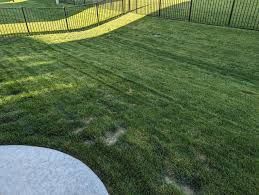
Why Does My Yard Have a Swale If your yard turns into a soggy mess after every rain, you’re not alone. Many Northeast Ohio homeowners face the same problem: poor drainage. Whether it’s puddles that linger for days or water pooling near your foundation, excess runoff can cause damage and frustration. Oftentimes builders, when developing new neighborhoods, utilize swales as a simple and natural fix to drainage challenges. Swales are oftentimes placed between homes or along rear property lines. In some instances, builders will empty downspout drains, sump pump drains, and other yard drainage pipes into swales. What Is a Swale in Landscaping? A swale is a shallow, gently sloped channel designed to collect, slow, and direct rainwater runoff. It’s often shaped like a grassy dip or shallow trench that follows the natural contours of your yard. But unlike a ditch, a swale does more than move water away — it helps it soak into the ground slowly. This process reduces flooding, prevents erosion, and allows the soil to naturally filter pollutants. Most residential swales are lined with grass, gravel, or native plants that hold soil in place and blend beautifully into your landscaping. How a Swale Works in Your Yard Here’s how a swale drainage system helps manage water in your yard: Collects runoff – The swale is positioned where water naturally flows, such as between homes or at the base of a slope. Slows the flow – Its gentle slope and vegetation reduce the speed of moving water, preventing erosion. Filters and absorbs – As water flows through the swale, it seeps into the ground, recharging groundwater and filtering out pollutants. Directs overflow safely – During heavy rains, excess water moves through the swale toward a safe outlet, like a rain garden, dry well, or storm drain. Essentially, a swale turns excess rainwater from a problem into an opportunity — restoring balance to your yard’s natural drainage. My Swale is Always Soggy. Is There Anything That I Can Do to Improve It? Yes, there are solutions that homeowners in Northeast Ohio can utilize to improve this natural drainage system. Due to the clay soil that we experience, water does not soak back into the earth quickly after rain events. This makes swales difficult to mow/maintain during rainy seasons as well as potentially creating muddy areas that kids and our furry friends will definitely find with their shoes and paws. To assist the work of swales during larger rain events, we may recommend installing a French drain and/or dry wells under the lowest point of the swale to store excess water during rain events. Additionally, this system may be connected to an existing catch basin or storm drain for moving more water during rain events. We call this supercharging your swale! Why Swales Are a Smart Yard Drainage Solution Swales are a perfect balance of function and beauty. They protect your home from water damage, add visual interest to your landscape, and support a healthier environment…but they can still be improved. Reach out to the team at Drain My Yard for your complimentary drainage assessment to determine if upgrades to your swale would improve your overall yard drainage.
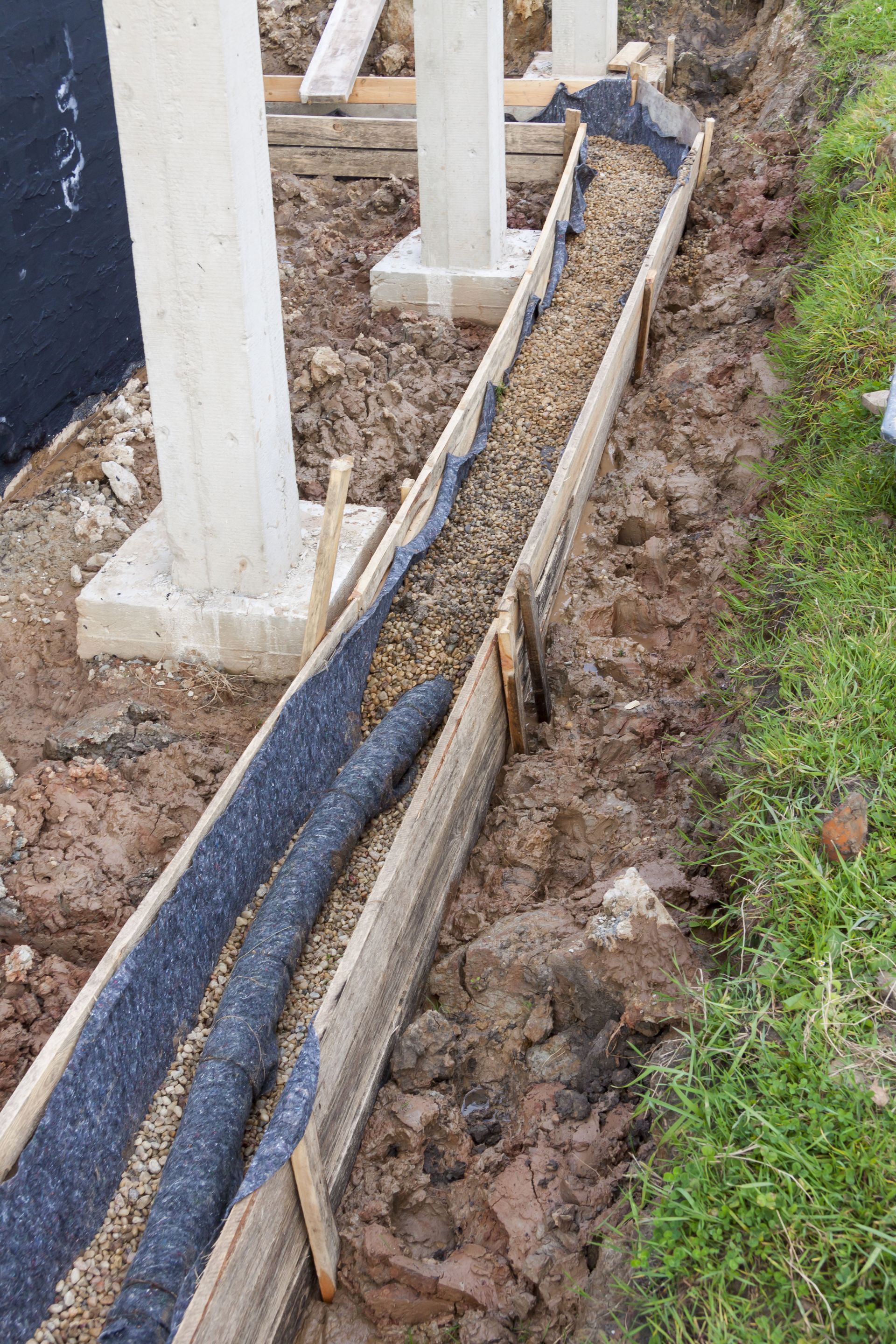
It's crucial for property owners to stay vigilant about potential sources of water damage. Here are some key signs that French drain repair services are needed!
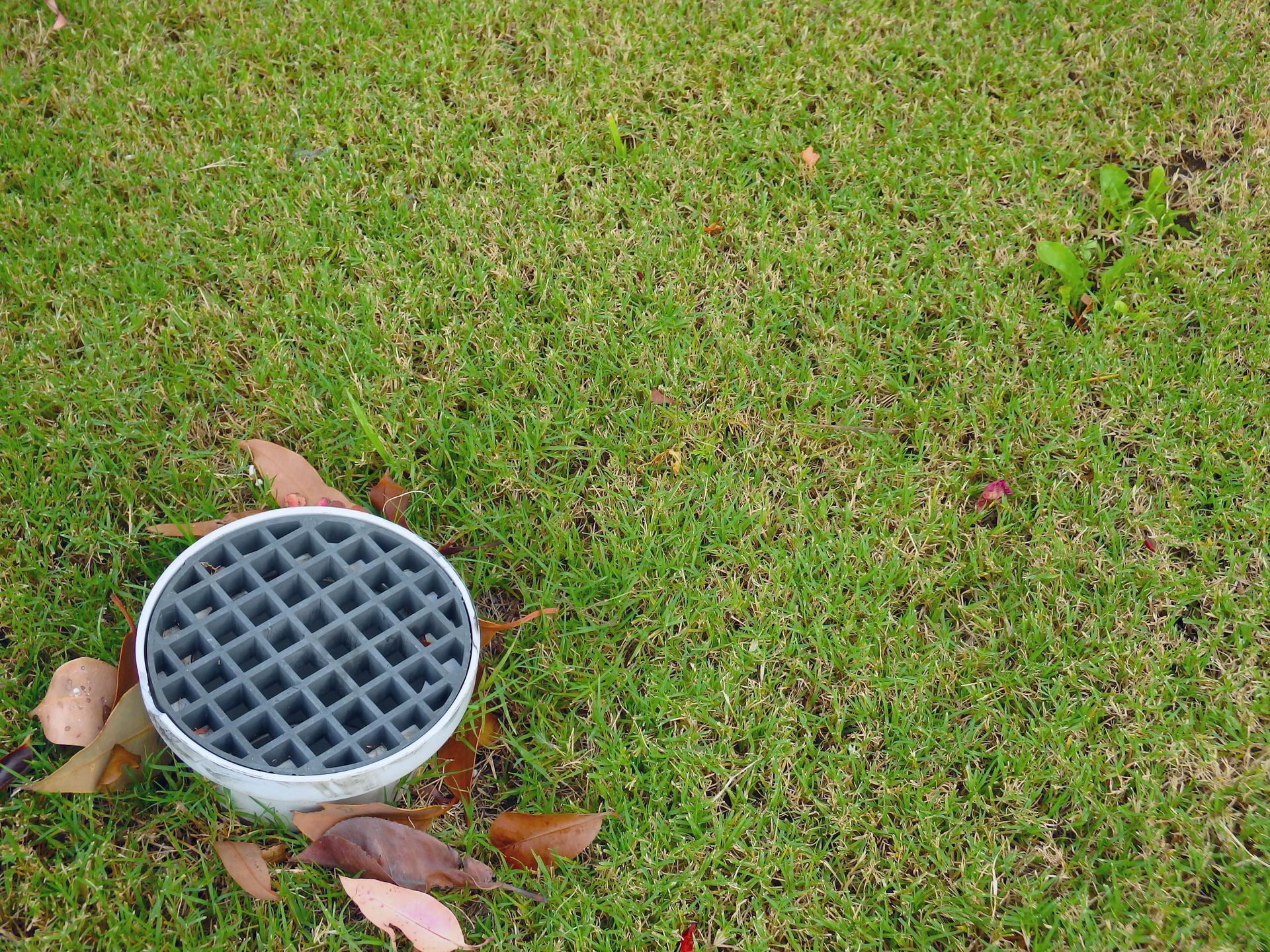
Looking for a local company that can take on your drain services? Here are three key qualities of a reputable drain service company.
Share On: