3 Signs You Need French Drain Repair

October 7, 2025

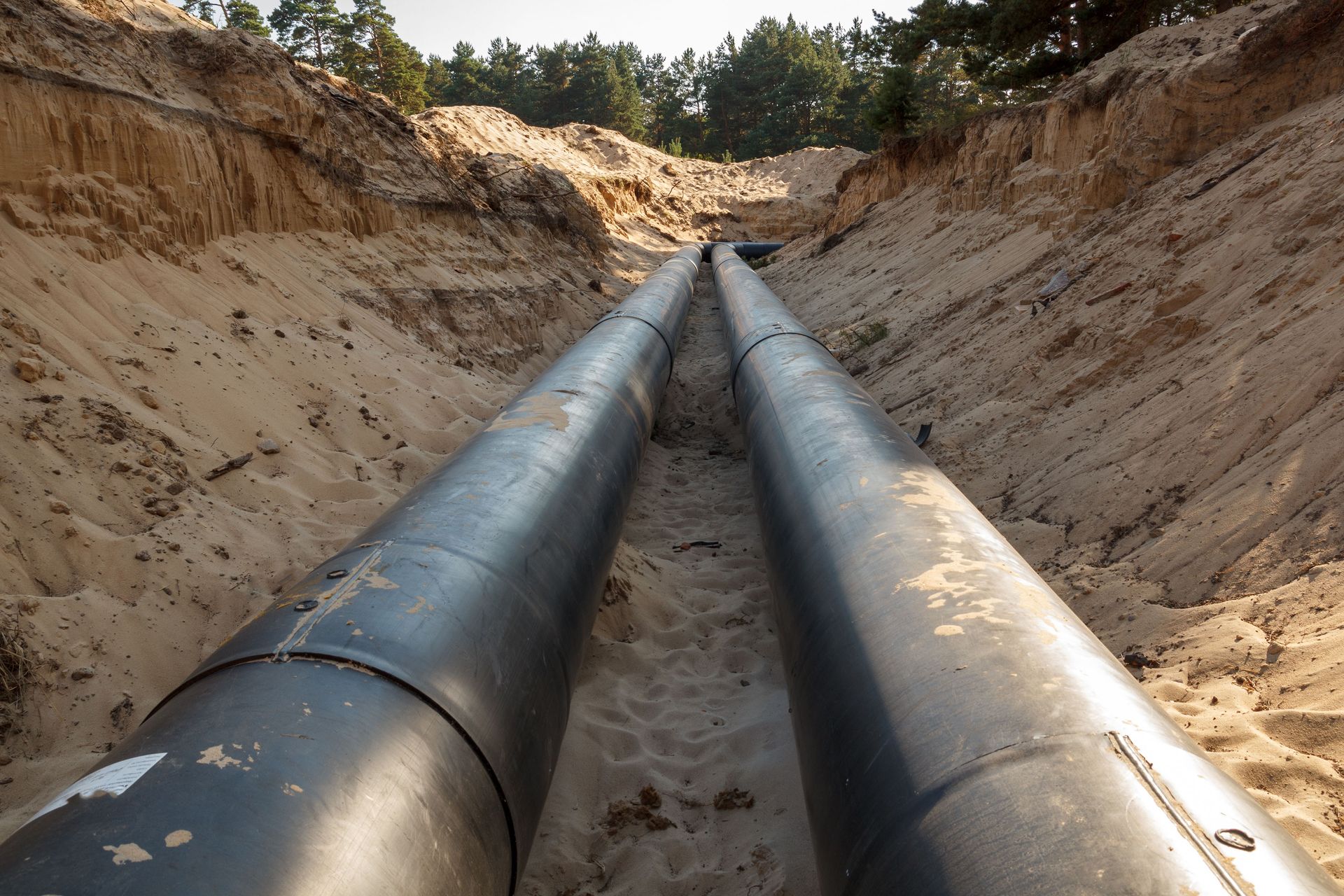
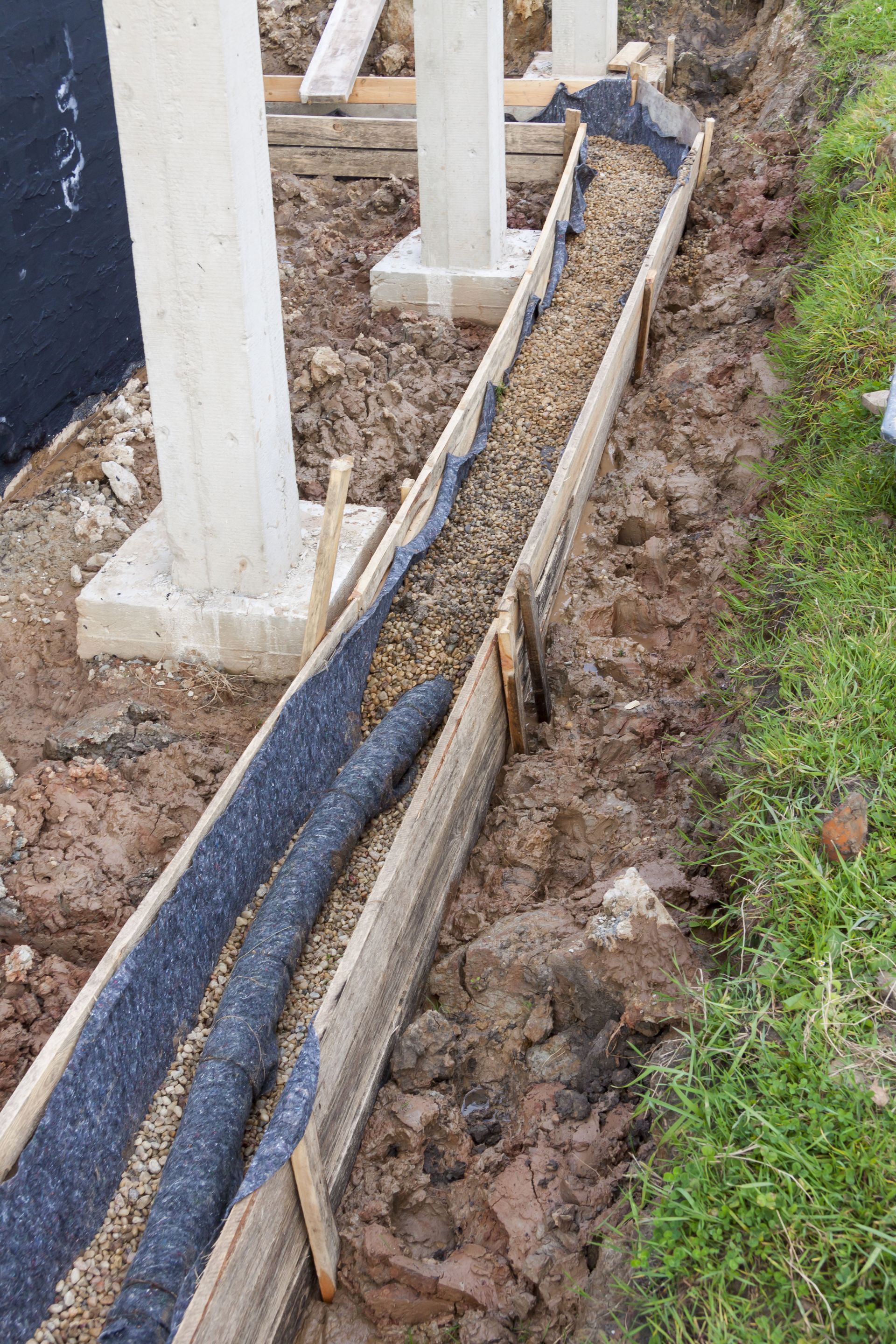
French drains are a critical component of home drainage systems, designed to redirect water away from your property. They're an effective solution for protecting your foundation and landscaping from excessive moisture. However, like all home systems, they can develop issues over time. Here's how to tell if your French drain is in need of repair, and what signs to look for to avoid potential water damage.


1. Pooling Water


The first sign that you may need French drain repair is water pooling in your yard. This is a clear indicator that your drainage system might be malfunctioning and failing to redirect water as it should. Pooling water can lead to soil erosion, damage to your landscaping, and even water seeping into your basement. It's essential to address these issues promptly to ensure long-term protection against water damage.


2. Soggy Patches on the Lawn


Another sign of a failing French drain is the presence of soggy or overly soft spots in your lawn. These soggy patches may be due to a clogged or broken pipe within your French drain system. According to U.S. News, French drains can last between 30 and 40 years. Still, they require occasional maintenance to address wear and tear. Detecting and rectifying these soft spots early can prevent more severe issues from developing in your yard or home.


3. Standing Water Indoors


Lastly, if you notice water in your basement or crawl space, it may be time to check your French drain system. A properly functioning French drain should keep these areas dry by redirecting water away from your home. Standing water indoors is a red flag that your French drain needs attention. Addressing these issues can prevent structural damage and mold growth, which are both costly and hazardous to your health.


French drains are a vital part of a home's defense against water damage, but they aren't infallible. By staying vigilant for signs of malfunction, such as pooling water, soggy lawn spots, and water in the basement, you can determine when your French drain needs repair. Regular maintenance and timely repairs will ensure your French drain protects your home for a long time. Don't wait for small issues to turn into big problems. Give Drain My Yard a call for the repair work you need!
3 Signs You Need French Drain Repair
french drain installation
April 10, 2026
French drain installation timelines vary by size, slope, and materials. Learn what affects project duration and how to plan efficiently.
By 7002328015 February 2, 2026
Water pooling around your foundation is one of the most serious—and common—drainage problems suburban homeowners face. Left unaddressed, it can lead to basement leaks, foundation cracks, mold growth, and costly structural repairs. While permanent drainage solutions should always be designed and installed by a professional, there are several temporary steps homeowners can take to keep water away from the foundation and reduce immediate risk. Below are five practical, short term fixes you can implement now, along with guidance on when it’s time to call Drain My Yard, Northeast Ohio’s yard drainage specialists. 1. Extend Downspouts at Least 10 Feet Away from the Foundation One of the biggest contributors to foundation water problems is roof runoff being discharged too close to the house. Temporary fix: • Install solid downspout extensions (avoid corrugated pipe) • Extend each downspout a minimum of 10 feet away from the foundation • Ensure the outlet discharges downhill and away from the home Why it matters: Roof water can account for thousands of gallons during a single storm. Moving it away from the foundation immediately reduces hydrostatic pressure and basement moisture issues. Limitations: Above ground extensions are not a permanent solution and can shift, clog, or create tripping hazards. It also usually makes mowing the lawn difficult! 2. Move Your Sump Pump Discharge Away from the House A sump pump that discharges right next to the foundation often causes the very problem it’s meant to solve. Temporary fix: • Attach a solid discharge pipe or hose. Sump pump discharge pipes are typically 1.5” in diameter. • Extend the discharge 10–20 feet away from the foundation • Direct water toward a lower area of the yard Why it matters: If sump water drains back toward the house, it increases foundation saturation and causes the pump to run excessively. Important: Temporary sump lines can freeze or clog. A buried discharge line installed by a professional is the safest long term option. Also, make sure not to direct this water toward a neighbors property. 3. Identify and Redirect Water Flowing Toward the Foundation Water pooling near foundations is often caused by surface water flowing toward the house instead of away from it. Temporary fix: • Walk the property during or after heavy rain • Identify areas where water flows toward the foundation • Build a shallow soil berm or temporary swale to redirect flow away from the house Why it matters: Even small grading issues can funnel large volumes of water directly to foundation walls. Caution: Avoid redirecting water onto neighboring properties, which can create legal or code issues. 4. Clear Gutters, Downspouts, and Any Existing Drainage Components Clogged gutters and downspouts can overflow and dump water directly against the foundation. Temporary fix: • Clean all gutters and downspouts • Flush downspouts to confirm proper flow • Clear debris from catch basins, channel drains, or pop up emitters near the house Why it matters: Restoring proper flow prevents overflow and localized pooling next to foundation walls. Red flag: If water backs up after cleaning, underground piping may be collapsed, completely clogged, or improperly installed. 5. Avoid “Quick Fixes” That Trap Water Near the Foundation Some DIY fixes can actually make foundation water problems worse. Avoid : • Dumping soil, mulch, or gravel against the foundation • Filling low spots without creating an outlet • Installing corrugated pipe underground These approaches often trap water and increase foundation moisture over time. When Temporary Fixes Aren’t Enough If water continues to pool near your foundation after storms—or if you’re seeing basement leaks, damp walls, or soil erosion—it’s time for a permanent drainage solution. Drain My Yard specializes in foundation focused drainage solutions for suburban homes throughout Northeast Ohio. We design and install systems that safely move roof, sump, and surface water away from your foundation—without creating problems elsewhere. Why Homeowners Trust Drain My Yard • Local expertise in Northeast Ohio soils and rainfall • Custom drainage designs tailored to each property • Long term solutions that protect foundations and home value For a permanent fix, visit www.soggyyard.com and schedule a consultation with Drain My Yard today. Temporary steps can reduce immediate risk—but a professionally designed drainage system is the only way to permanently protect your foundation.
By 7002328015 January 28, 2026
If your yard turns into a swamp every time it rains, water runs toward your foundation, or your downspouts dump water where it doesn’t belong, you’re not alone. Many suburban homeowners throughout Northeast Ohio struggle with stormwater issues — especially in communities like Hudson, Stow, Cuyahoga Falls, Twinsburg, and Aurora. That’s where rainscaping comes in. At Drain My Yard, we specialize in professional rainscaping solutions that control stormwater, protect your home, and permanently solve soggy yard problems. What Is Rainscaping? Rainscaping is the strategic design of your landscape to manage rainwater on your property, instead of allowing it to pool, erode soil, or discharge onto neighboring properties. Rather than fighting water, rainscaping controls how it flows by: • Capturing rainwater • Slowing it down • Directing it to safe discharge points • Allowing it to soak into the ground naturally Unlike basic landscaping, rainscaping starts with drainage engineering first, then integrates attractive landscape features. Common Rainscaping Solutions Installed by Drain My Yard Every yard is different, which is why Drain My Yard designs custom rainscaping systems based on grading, soil type, and water volume. Solutions may include: • Underground downspout drainage • Rain gardens designed for proper infiltration • Graded swales and drainage pathways • Catch basins and yard drains • Dry creek beds for surface water control • Permeable hardscape areas • Sump pump discharge management Our goal is simple: move water where it should go — safely and legally. Why Rainscaping Is So Important in Northeast Ohio Suburban neighborhoods in Summit County often face: • Heavy clay soils that drain poorly • Older drainage infrastructure • Flat or improperly graded lots • Increased rainfall and runoff Without proper stormwater management, these conditions lead to: • Standing water and muddy yards • Basement leaks and foundation damage • Soil erosion • Ice hazards in winter • Water disputes with neighbors Rainscaping addresses these problems at the source. Benefits of Rainscaping for Homeowners Eliminate Standing Water Rainscaping systems installed by Drain My Yard are designed to dry out yards faster and prevent chronic puddling. Protect Your Foundation and Basement Water that pools near your home can lead to costly foundation and basement issues. Rainscaping moves water away before damage occurs. Prevent Erosion and Landscape Damage By controlling water flow, rainscaping stops soil washout, mulch loss, and damage to walkways and patios. Improve Curb Appeal Drainage solutions don’t have to be ugly. Our rainscaping designs blend seamlessly into your landscape while solving serious water problems. Reduce Liability and Code Issues Improper stormwater discharge can damage neighboring properties or sidewalks. Rainscaping keeps water managed on your property, where it belongs. Environmentally Responsible Rainscaping reduces strain on municipal storm systems and supports groundwater recharge — a win for homeowners and the community. When Rainscaping Makes the Most Sense Rainscaping may be the right solution if: • Your yard stays wet days after rainfall • Water flows toward your house • Downspouts dump water near the foundation • Your sump pump discharge causes pooling • You have erosion or washed-out areas • You live in a low-lying or poorly draining lot These are exactly the issues Drain My Yard solves every day throughout Hudson, Stow, Cuyahoga Falls, Twinsburg, and Aurora. Why Choose Drain My Yard for Rainscaping? Rainscaping is only effective when it’s designed correctly. Improper grading or undersized drainage can make water problems worse. Drain My Yard is the leader in yard drainage and stormwater management in Northeast Ohio. Homeowners choose us because we: • Specialize exclusively in drainage solutions • Design systems based on real water movement — not guesswork • Understand Northeast Ohio soil and rainfall conditions • Provide permanent, professional solutions • Protect your home, yard, and property value We don’t sell landscaping — we solve water problems. Schedule a Professional Rainscaping Evaluation If you’re tired of soggy grass, standing water, or drainage issues that never seem to go away, it’s time to bring in the experts. Drain My Yard provides professional rainscaping and yard drainage solutions throughout Northeast Ohio. Visit us HERE to schedule your consultation.
More Posts →