Yard Drainage Red Flags when House Hunting
December 23, 2025
Look for these issues before making your offer.
What to Look For When House Hunting
If you’re buying a home in Hudson, Stow, Cuyahoga Falls, Twinsburg, Aurora, or the surrounding communities, yard drainage should be high on your checklist. In Summit County, poorly managed water is one of the most common—and costly—problems new homeowners face.
From wet yards to basement leaks and foundation damage, drainage issues often start outside the home. Unfortunately, they’re easy to miss during a quick showing, and most home inspectors do not spend enough time on this important area. Knowing what to look for can help you avoid expensive surprises—and when you need expert help, Drain My Yard is the trusted local authority in yard drainage throughout Summit County.
Why Yard Drainage Problems Are So Common in Summit County
Homes across Summit County deal with a unique combination of challenges:
- Heavy clay soil that drains slowly
- Mature trees that damage underground drain lines
- Older homes with outdated drainage materials
- Frequent heavy rain, snowmelt, and freeze–thaw cycles
When water isn’t properly directed away from the home, it pools in yards, saturates soil near foundations, and eventually finds its way inside. That’s why identifying drainage red flags early is critical.
Yard Drainage Red Flags Home Buyers Should Never Ignore
1. Leaves Clogging Gutters or Downspouts
Overflowing gutters filled with leaves are extremely common in tree-heavy areas like Hudson, Stow, and Aurora. When gutters clog, rainwater spills over and collects near the foundation instead of flowing safely away.
This can lead to:
- Water pooling around the home
- Foundation cracks
- Basement leaks
Chronic gutter overflow often indicates long-term drainage neglect.
2. Downspouts that are Disconnected From Underground Drains
If you see downspouts dumping water right next to the house, that’s a major warning sign. In many Summit County homes, downspouts were originally tied into underground drainage systems.
Disconnected downspouts often mean:
- The underground drain has failed
- The line backs up during heavy rain
- A temporary fix was made instead of a permanent solution
This is one of the most common issues Drain My Yard finds during drainage evaluations.
3. Clay Pipe or Corrugated Pipe Used for Downspout Drains
Older homes in Cuyahoga Falls, Hudson, and Twinsburg frequently rely on clay pipe or corrugated plastic pipe for underground drainage—both known for failing over time.
- Clay pipe cracks and attracts tree roots
- Corrugated pipe sags, traps sediment, and collapses
When these pipes fail, water backs up underground and resurfaces in yards or basements.
4. Disconnected Sump Pump Drain Lines
A sump pump is designed to discharge water far away from the foundation. If the discharge line is disconnected or dumping water near the home, it can actually make drainage problems worse.
This often causes:
- Recurring basement flooding
- Constant sump pump cycling
- Saturated soil around the foundation
Proper sump pump discharge is a key part of a complete yard drainage system.
5. Catch Basins Installed Higher Than Grade
Catch basins only work if water can flow into them. If a basin sits higher than the surrounding soil, it’s essentially useless.
This usually indicates:
- Poor installation
- Settled or improperly graded soil
- Ineffective surface drainage design
Water will always follow the path of least resistance—often straight toward the home.
6. Channel Drains Filled with Leaves or Debris
Channel drains are common near garages, patios, and walkout basements across Summit County. When they’re clogged with leaves or debris, they stop intercepting water.
Blocked channel drains can lead to:
- Water flowing toward the house
- Ice buildup in winter
- Premature concrete and masonry damage
Heavy debris buildup often points to larger drainage issues elsewhere in the yard.
7. Water Being Discharged Into a Neighbor's Property
In addition to being illegal in most cities, it is simply rude to discharge your water onto your neighbors property. Once a property transfers, many neighbors use this chance to inform you of the error and "politely" demand that you remedy the situation. Sometimes, the remaining neighbor will ignore this request and simply file a complaint with the city.
What to Do If You Notice Drainage Problems While House Hunting
If you spot any of these yard drainage red flags, don’t ignore them or assume they’re “normal for the area.” Drainage problems rarely fix themselves—and repairs after closing can be expensive.
Before you buy, consider having a professional drainage evaluation. Drain My Yard specializes exclusively in yard drainage solutions and has helped many of your neighbors throughout Summit County protect their homes from water damage.
Why Home Buyers Choose Drain My Yard
Drain My Yard is the recognized leader in yard drainage in Summit County, OH, serving Hudson, Stow, Cuyahoga Falls, Twinsburg, Aurora, and surrounding communities.
Homeowners and home buyers trust Drain My Yard because we offer:
- Expert diagnosis of drainage problems
- Proven, long-term drainage solutions
- Experience with Summit County soil, grading, and weather
- A focus on fixing the problem—not temporary patches
Whether you’re evaluating a home before purchase or dealing with an existing drainage issue, our team knows exactly how to keep water away from your home.
Final Advice for Home Buyers in Summit County
Yard drainage problems can turn a dream home into an expensive headache. By watching for these red flags—and working with a trusted local expert—you can make a smarter buying decision and protect your investment.
If you’re buying a home or concerned about drainage issues, visit www.soggyyard.com
to learn more or to schedule a professional evaluation with Drain My Yard, Summit County’s yard drainage specialists.

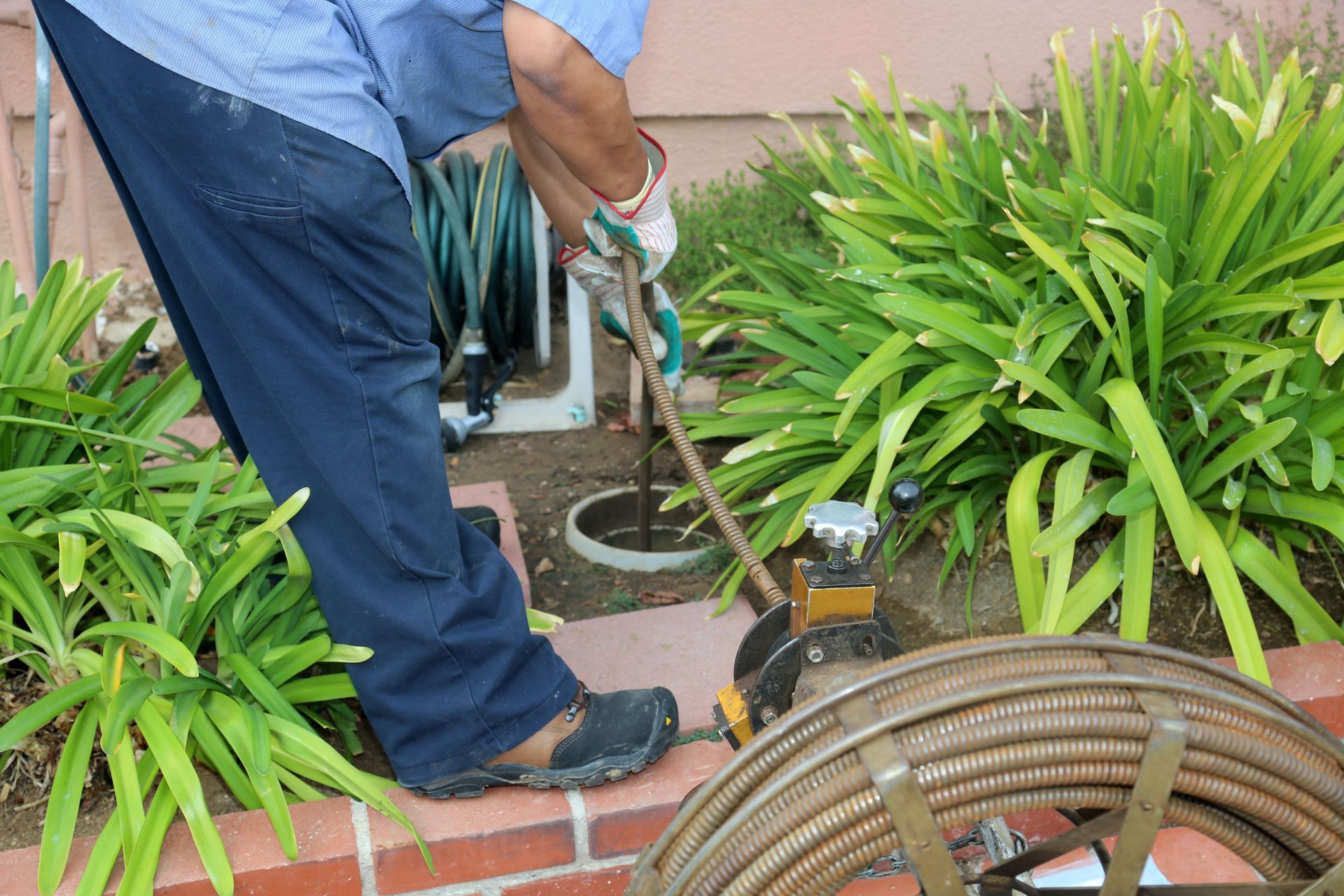
Working with a drain installation company doesn't have to be confusing. Ask some of these basics questions and get the information you need.
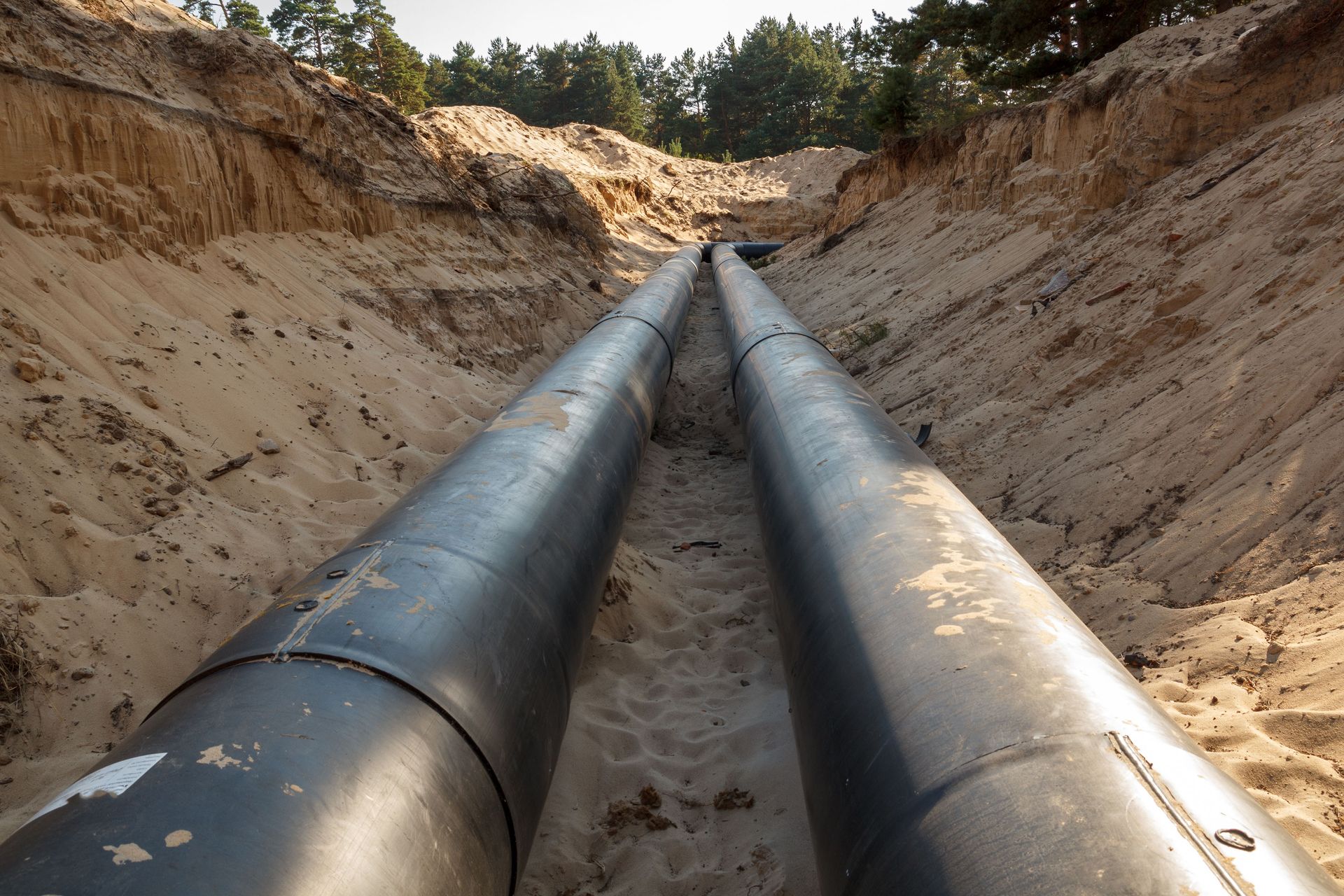
Protect your property from standing water and flooding. Learn how professional drain installation uses precise slope mapping, PVC piping, and French drains.

French drain installation timelines vary by size, slope, and materials. Learn what affects project duration and how to plan efficiently.
Share On: