What is a French Drain?

January 13, 2025

And is it right for your drainage challenges?
For homeowners in Northeast Ohio, dealing with a soggy yard can be more than just an eyesore; it can lead to more significant issues like property damage and increased maintenance costs. One effective solution that many homeowners turn to is the installation of a French drain. This article will introduce you to what a French drain is, its benefits, and how it can be a crucial part of a comprehensive drainage solution.

What is a French Drain?
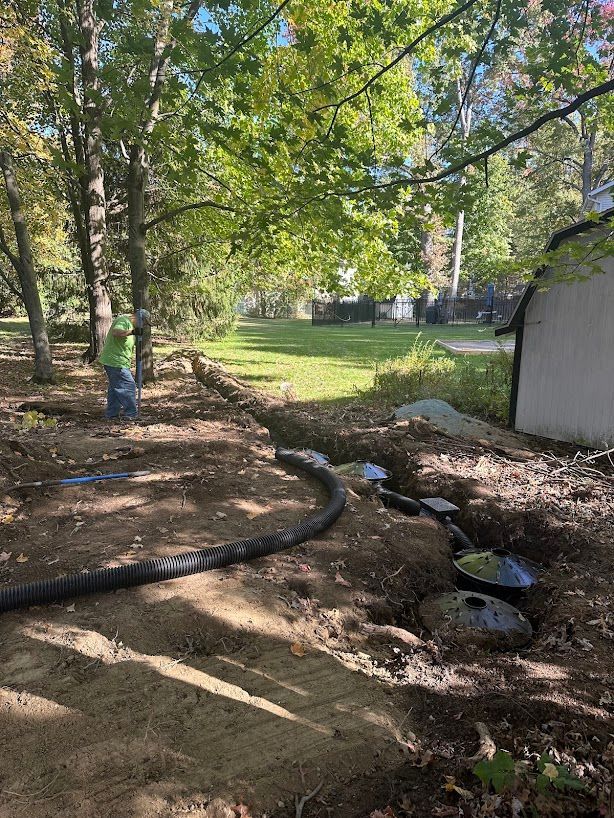
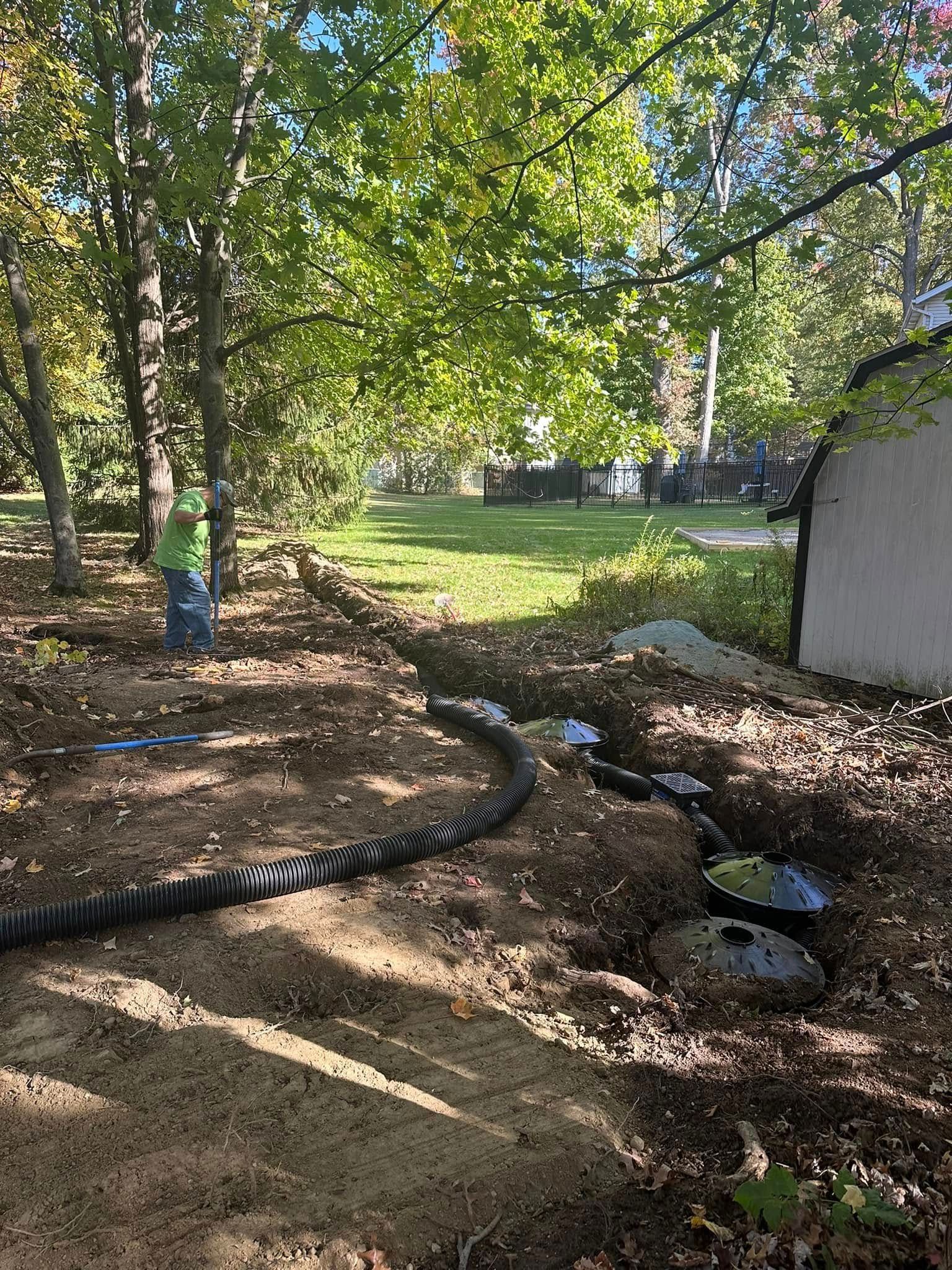
A French drain is a type of drainage system designed to redirect water away from specific areas of your yard, helping to prevent flooding and water accumulation. Basically, it consists of a trench filled with gravel, rock, or other bulky material that contains a perforated pipe at the bottom. This setup allows excess water to flow into the pipe, which then carries it away to a designated drainage area, such as a storm sewer or dry well.

How Can a French Drain Help Your Yard?
  • Redirects Excess Water: A primary advantage of a French drain is its ability to channel excess water away from areas prone to saturation, thereby preventing water from pooling in your yard. This is particularly beneficial during heavy rains, common in Northeast Ohio.
  • Improves Soil Quality: Soggy yards can lead to soil erosion and nutrient loss. By helping to manage water flow, a French drain can contribute to healthier soil conditions, promoting better plant growth in your garden and yard.
  • Foundation Protection: Water accumulation around your home can lead to serious foundation issues over time, including cracks and structural damage. A well-installed French drain intercepts and redirects water away from the foundation, safeguarding your home.
  • Enhances Curb Appeal: A saturated lawn often leads to unsightly muddy patches (and muddy paw prints!!!) and an unkempt appearance. By resolving drainage issues, a French drain can contribute to a more attractive outdoor space, improving your property’s curb appeal.
A Supportive Part of a Larger Drainage Solution
While a French drain is an effective standalone solution, it's important to note that it works best as part of a broader drainage strategy. For many Northeast Ohio homeowners, this means considering other drainage solutions like surface drains, downspout extensions, and/or dry wells.

Combining a French drain with these systems can offer a comprehensive approach to managing water flow. For instance, properly placed gutter downspouts can help direct rainwater away from your home, while surface drains collect and redirect water pooling in low areas of your yard. By harmonizing these methods, you can create a well-rounded drainage solution that minimizes the risks associated with excess water.

Is a French Drain Right for You?
If you find yourself battling a soggy yard each spring or after heavy rains, it may be time to consider installing a French drain. The team at Drain My Yard can help you assess your property’s needs and determine the optimal drainage solution. We can provide valuable insights into placement, design, and any additional systems that may be beneficial.

In conclusion, a French drain can be a practical and effective way to alleviate your soggy yards, especially when integrated into a larger drainage management plan. By taking proactive steps, you can protect your property, enhance its appearance, and enjoy your outdoor space to the fullest.
What is a French Drain?
June 16, 2026
Protect your property from standing water and flooding. Learn how professional drain installation uses precise slope mapping, PVC piping, and French drains.
french drain installation
April 10, 2026
French drain installation timelines vary by size, slope, and materials. Learn what affects project duration and how to plan efficiently.
By 7002328015 February 2, 2026
Water pooling around your foundation is one of the most serious—and common—drainage problems suburban homeowners face. Left unaddressed, it can lead to basement leaks, foundation cracks, mold growth, and costly structural repairs. While permanent drainage solutions should always be designed and installed by a professional, there are several temporary steps homeowners can take to keep water away from the foundation and reduce immediate risk. Below are five practical, short term fixes you can implement now, along with guidance on when it’s time to call Drain My Yard, Northeast Ohio’s yard drainage specialists. 1. Extend Downspouts at Least 10 Feet Away from the Foundation One of the biggest contributors to foundation water problems is roof runoff being discharged too close to the house. Temporary fix: • Install solid downspout extensions (avoid corrugated pipe) • Extend each downspout a minimum of 10 feet away from the foundation • Ensure the outlet discharges downhill and away from the home Why it matters: Roof water can account for thousands of gallons during a single storm. Moving it away from the foundation immediately reduces hydrostatic pressure and basement moisture issues. Limitations: Above ground extensions are not a permanent solution and can shift, clog, or create tripping hazards. It also usually makes mowing the lawn difficult! 2. Move Your Sump Pump Discharge Away from the House A sump pump that discharges right next to the foundation often causes the very problem it’s meant to solve. Temporary fix: • Attach a solid discharge pipe or hose. Sump pump discharge pipes are typically 1.5” in diameter. • Extend the discharge 10–20 feet away from the foundation • Direct water toward a lower area of the yard Why it matters: If sump water drains back toward the house, it increases foundation saturation and causes the pump to run excessively. Important: Temporary sump lines can freeze or clog. A buried discharge line installed by a professional is the safest long term option. Also, make sure not to direct this water toward a neighbors property. 3. Identify and Redirect Water Flowing Toward the Foundation Water pooling near foundations is often caused by surface water flowing toward the house instead of away from it. Temporary fix: • Walk the property during or after heavy rain • Identify areas where water flows toward the foundation • Build a shallow soil berm or temporary swale to redirect flow away from the house Why it matters: Even small grading issues can funnel large volumes of water directly to foundation walls. Caution: Avoid redirecting water onto neighboring properties, which can create legal or code issues. 4. Clear Gutters, Downspouts, and Any Existing Drainage Components Clogged gutters and downspouts can overflow and dump water directly against the foundation. Temporary fix: • Clean all gutters and downspouts • Flush downspouts to confirm proper flow • Clear debris from catch basins, channel drains, or pop up emitters near the house Why it matters: Restoring proper flow prevents overflow and localized pooling next to foundation walls. Red flag: If water backs up after cleaning, underground piping may be collapsed, completely clogged, or improperly installed. 5. Avoid “Quick Fixes” That Trap Water Near the Foundation Some DIY fixes can actually make foundation water problems worse. Avoid : • Dumping soil, mulch, or gravel against the foundation • Filling low spots without creating an outlet • Installing corrugated pipe underground These approaches often trap water and increase foundation moisture over time. When Temporary Fixes Aren’t Enough If water continues to pool near your foundation after storms—or if you’re seeing basement leaks, damp walls, or soil erosion—it’s time for a permanent drainage solution. Drain My Yard specializes in foundation focused drainage solutions for suburban homes throughout Northeast Ohio. We design and install systems that safely move roof, sump, and surface water away from your foundation—without creating problems elsewhere. Why Homeowners Trust Drain My Yard • Local expertise in Northeast Ohio soils and rainfall • Custom drainage designs tailored to each property • Long term solutions that protect foundations and home value For a permanent fix, visit www.soggyyard.com and schedule a consultation with Drain My Yard today. Temporary steps can reduce immediate risk—but a professionally designed drainage system is the only way to permanently protect your foundation.
More Posts →