Keep Your Foundation Dry
January 13, 2025
Conduct Annual Inspections of your Downspout Drains
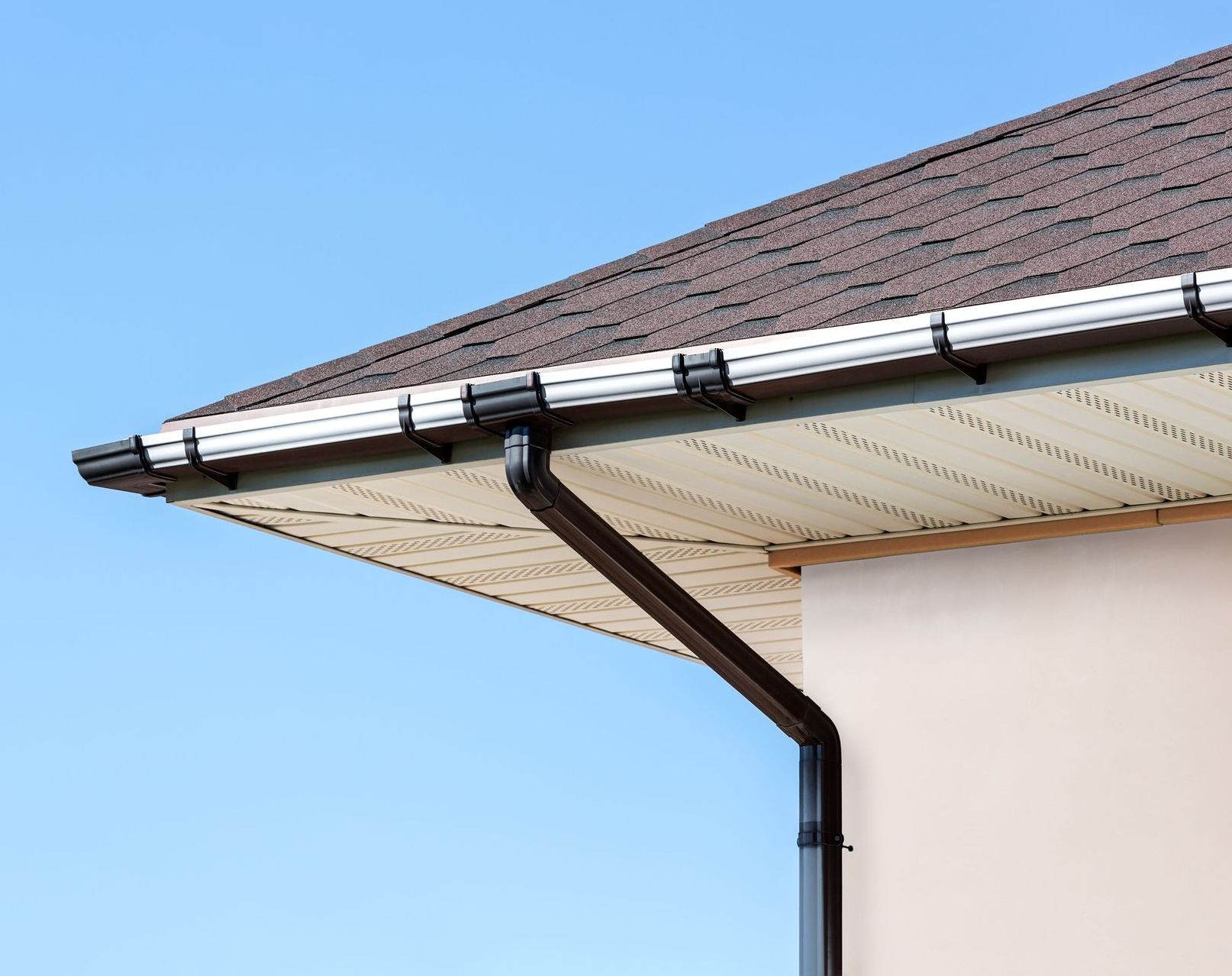
As homeowners in Northeast Ohio, we know that our area experiences a unique mix of weather, from heavy rainstorms to deep winter snows. While we love the changing seasons, these extremes can pose significant risks to our homes, especially when it comes to water management. One often-overlooked aspect of home maintenance that is crucial for protecting your foundation is the inspection of downspouts and sump pump drains.
First and foremost, let's discuss why these components are so important. Downspouts divert rainwater away from your roof and foundation, while sump pumps work tirelessly to remove excess water from your basement or crawl space. Both are designed to protect your home from water damage and structural issues. However, regular inspections are necessary to ensure they are functioning correctly.
One of the key reasons to inspect your downspouts and sump pump drains is to prevent clogs. Over time, debris such as leaves, twigs, and dirt can accumulate, leading to blockages. A clogged downspout can cause water to overflow, pooling around your foundation. This stagnant water increases the risk of seepage into your basement, which can lead to mold, mildew, and even the deterioration of your home's structure. Similarly, if your sump pump is not draining properly, it may fail to remove water effectively, putting your basement at risk.
In addition to potential clogs, inspecting your drains can help identify other issues that could lead to costly repairs down the road. For instance, check for any signs of wear or damage to the downspouts or sump pump discharge pipes. Cracks or misalignment can all hinder the proper flow of water, allowing it to accumulate where it shouldn’t. An annual inspection can help catch these problems early, allowing for timely repairs that can save you money and hassle.
The frequency of these inspections should ideally be at least once a year, with additional checks after heavy storms or during seasons of increased precipitation. During your inspection, the team at Drain My Yard ensures that your downspouts are correctly draining away from the foundation. If the downspouts or sump pump drain discharges at surface level, a minimum distance of five to ten feet is often recommended to direct water far enough away from your home. If needed, we can install extensions on your downspouts.
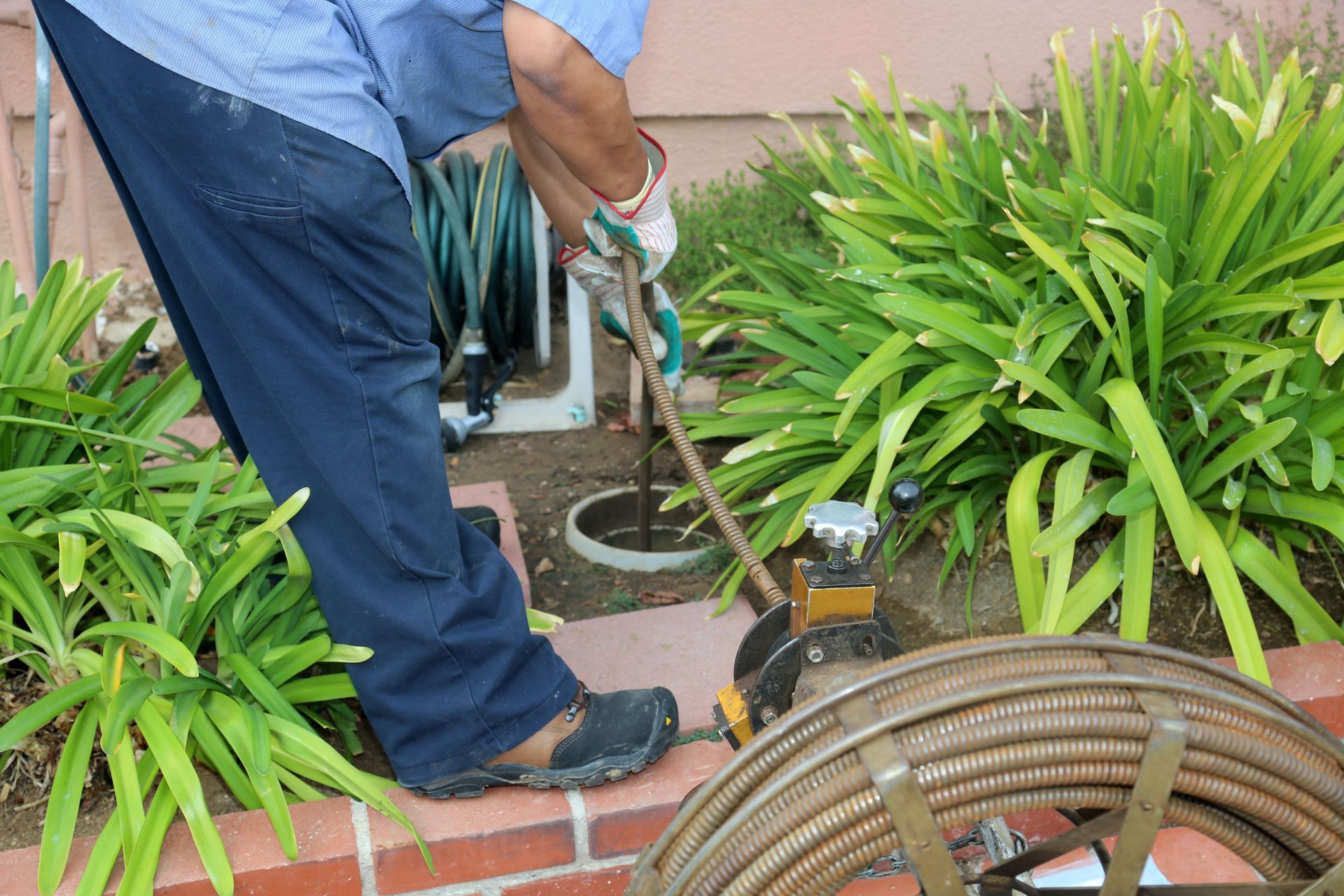
Using camera technology, the team at Drain My Yard can perform a comprehensive examination of your drainage systems, ensuring everything is in working order. We will also provide valuable advice tailored to the specific soil and weather conditions in Northeast Ohio, helping you make informed decisions about your home maintenance.
In summary, maintaining your downspouts and sump pump drains is essential for the overall health of your home. Clogs and breakdowns can lead to water pooling against your foundation, potentially causing significant damage over time. By taking the time to inspect these critical drainage systems and addressing any issues that arise, you can protect your investment and help ensure your home remains a safe and comfortable haven for you and your family. So, take a moment this season to check on those drains; your foundation will thank you!
If you have any questions about your drainage system, don’t hesitate to contact the team at Drain My Yard today to discuss your concerns.
Working with a drain installation company doesn't have to be confusing. Ask some of these basics questions and get the information you need.
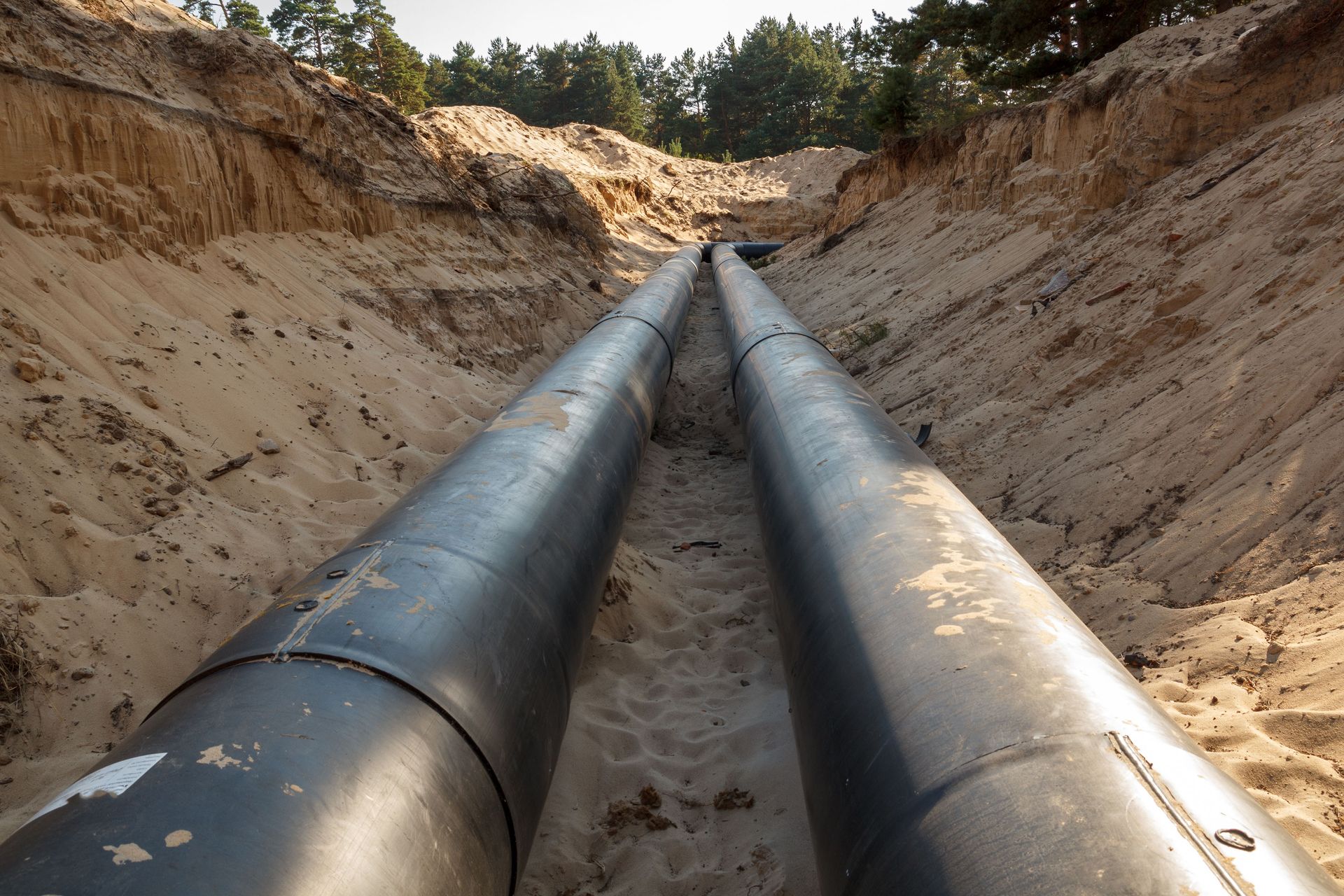
Protect your property from standing water and flooding. Learn how professional drain installation uses precise slope mapping, PVC piping, and French drains.

French drain installation timelines vary by size, slope, and materials. Learn what affects project duration and how to plan efficiently.
Share On: