Why Winter is the Perfect Season to Tackle Lawn Drainage Issues
January 3, 2025
There are many benefits to performing draining work in the Winter months.
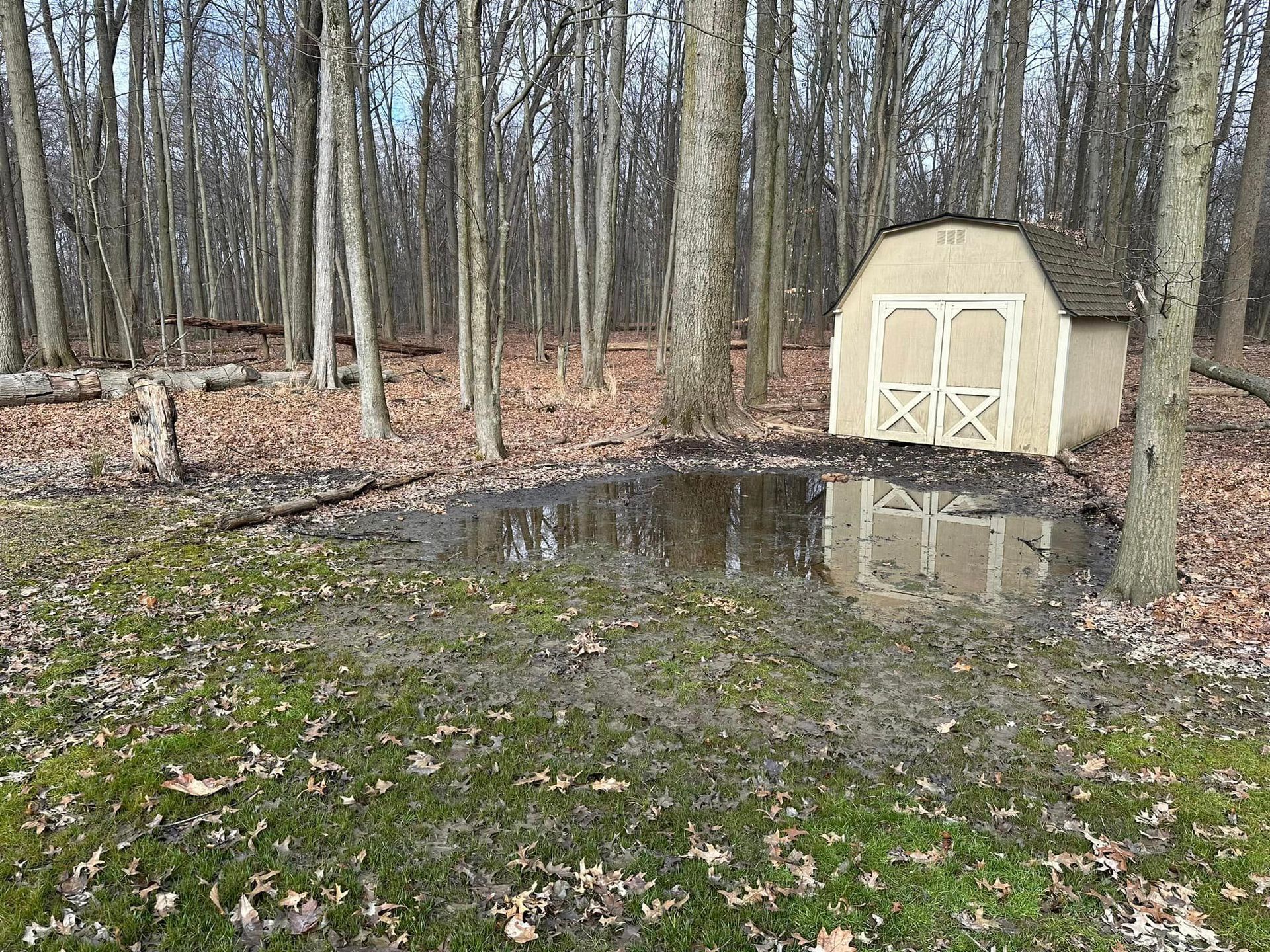
When the snow falls and the ground hardens, lawn care may seem like a task to postpone until spring. However, for homeowners in Northeast Ohio, winter presents a unique and advantageous opportunity to address persistent drainage issues. Tackling these problems during the colder months not only prepares your lawn for a healthier growing season but also helps you avoid potential property damage caused by improper water flow.
Why Address Drainage Issues in Winter?
1. Visible Problem Areas: During winter, snowmelt and occasional rain can reveal drainage problems more clearly than in other seasons. Standing water, icy patches, and uneven melting patterns are key indicators of poor water flow. These signs make it easier to identify areas that need attention.
2. Reduced Lawn Activity: With grass growth dormant and outdoor activities at a minimum, winter provides a low-traffic window to perform necessary excavation or adjustments without worrying about damaging the active turf or disrupting regular yard use.
3. Preparation for Spring: Addressing drainage issues in winter ensures your lawn is ready for the heavy rains of spring. Proper drainage promotes a healthier lawn by preventing soil erosion, water pooling, and root rot, all of which can lead to costly repairs if left unchecked.
Common Winter Drainage Solutions
• Grading and Sloping: Reshaping the land to direct water away from structures and prevent pooling in low spots.
• French Drains: Installing perforated pipes surrounded by gravel to channel excess water away from problem areas.
• Dry Wells: Creating underground reservoirs to collect and slowly disperse excess water into the soil.
• Soil Aeration and Amending: Improving soil composition to increase its absorption capacity.
• Rain Gardens and/or Rainscaping: Designing landscaped areas to capture runoff and encourage natural filtration.
Tips for Homeowners in Northeast Ohio
1. Monitor Snowmelt Patterns: Take note of areas where snow and ice linger or where water tends to pool after a thaw.
2. Consult Professionals: Enlist the expertise of local drainage specialists familiar with Northeast Ohio’s unique climate and soil conditions.
3. Act Early: Start planning in early winter to ensure projects are completed before spring rains arrive.
4. Consider Long-Term Solutions: Investing in proper drainage now can save you time and money in the future by reducing the need for frequent repairs and minimizing potential water damage to your property.
A Healthier Lawn Starts in Winter
While winter may seem like an unlikely time for outdoor projects, it’s the perfect season to resolve lawn drainage issues. By taking action now, you’ll not only protect your property but also set the stage for a vibrant, healthy lawn come spring. Northeast Ohio homeowners who prioritize drainage solutions during the colder months can enjoy peace of mind knowing their lawn is equipped to handle whatever Mother Nature brings next. Contact Drain My Yard at 330.678.9554 to discuss your lawn drainage issues today.

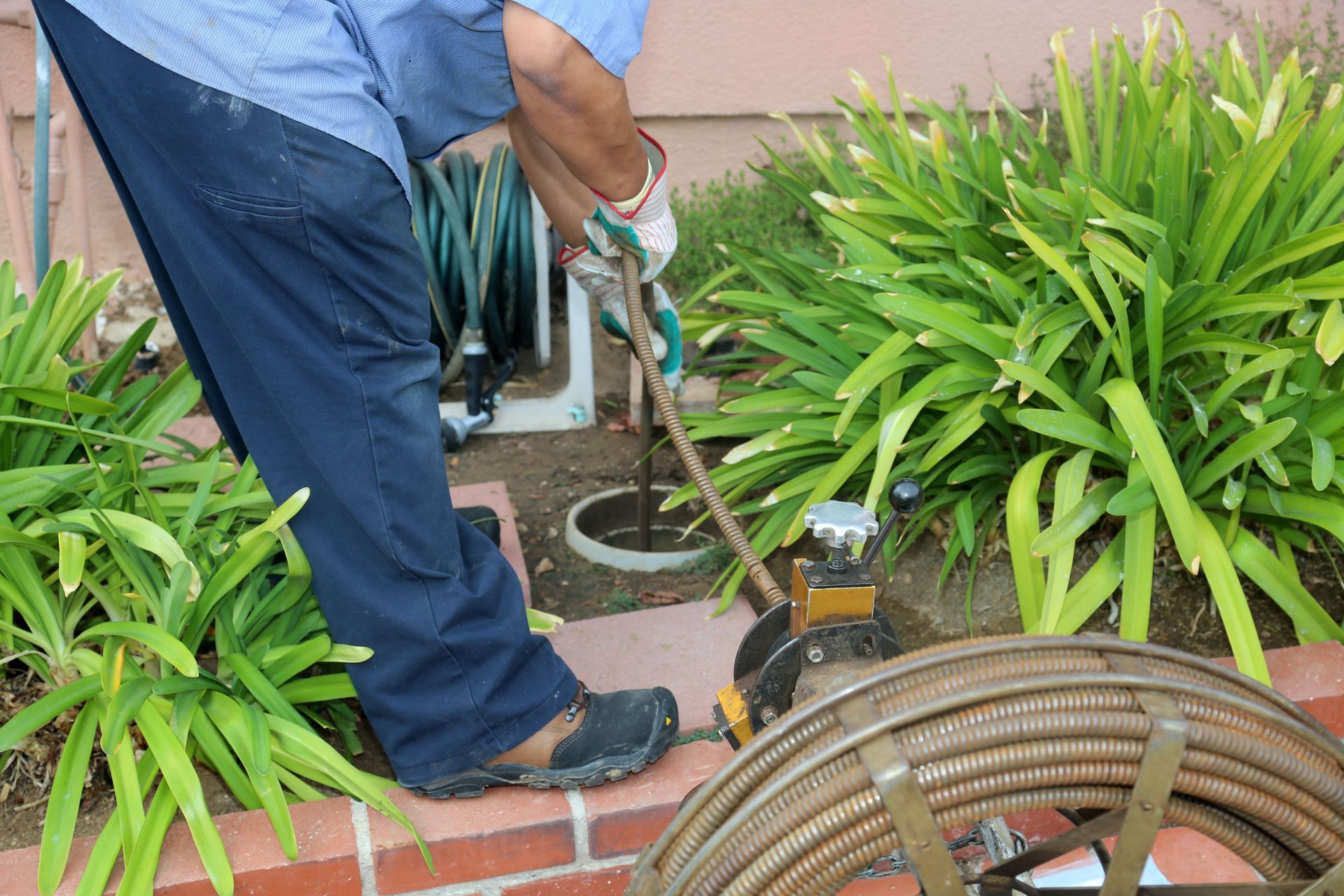
Working with a drain installation company doesn't have to be confusing. Ask some of these basics questions and get the information you need.
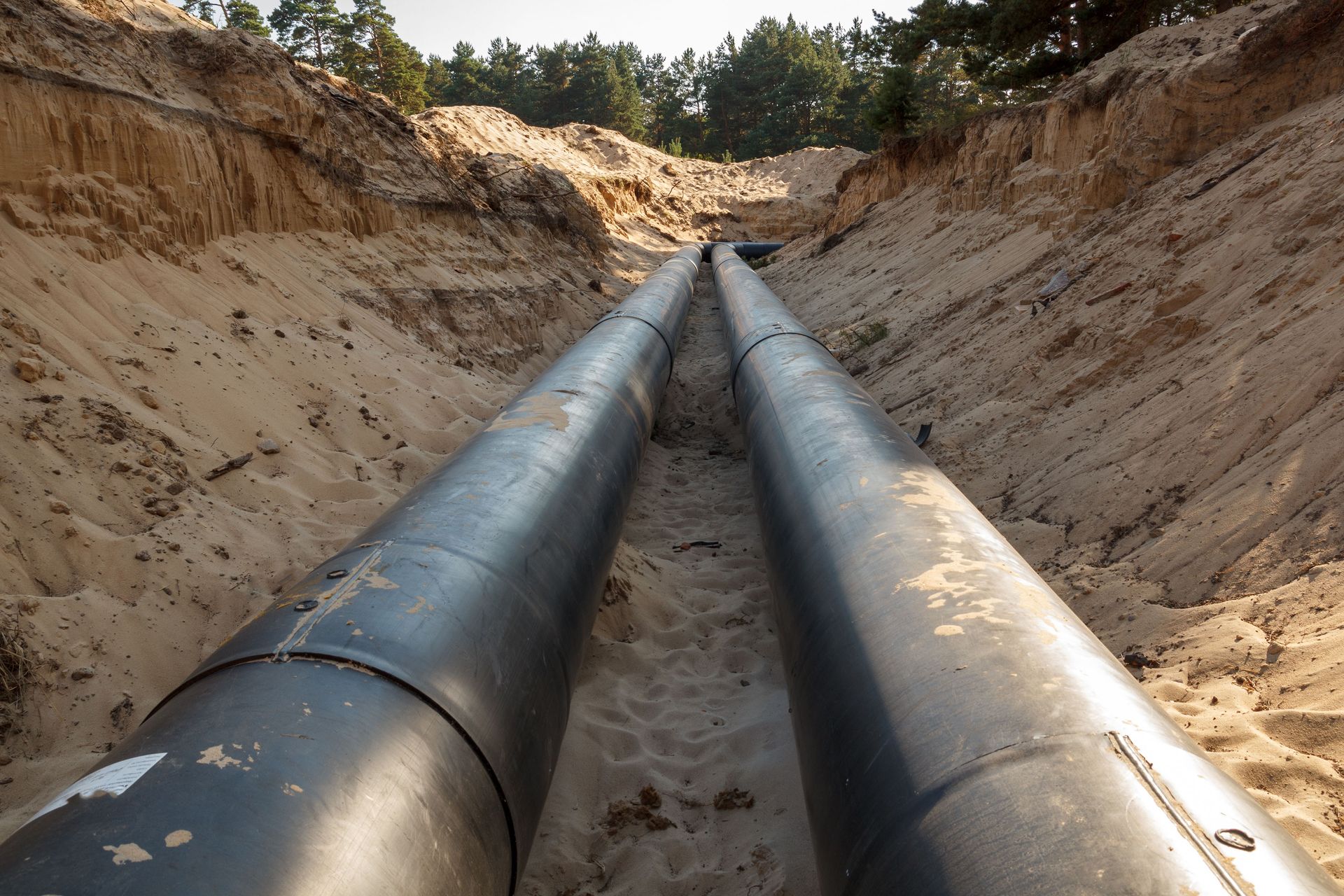
Protect your property from standing water and flooding. Learn how professional drain installation uses precise slope mapping, PVC piping, and French drains.

French drain installation timelines vary by size, slope, and materials. Learn what affects project duration and how to plan efficiently.
Share On: